Classic cinemas feel different from streaming because the physical environment forces your full attention on the screen. But at home, phones, pauses, and multitasking constantly break that focus.
That’s the simple truth. When you settle into a cinema seat, everything else disappears. No remote tempting you to pause the film, no notifications pulling your eyes away from the story. The space demands you surrender to whatever the directors created.
This article explains what makes cinema irreplaceable, from film projection to the rituals that disappear at home. You’ll also see why certain stories belong on a proper screen and what gets lost when you watch from the sofa.
The Physical Space Changes How You Watch
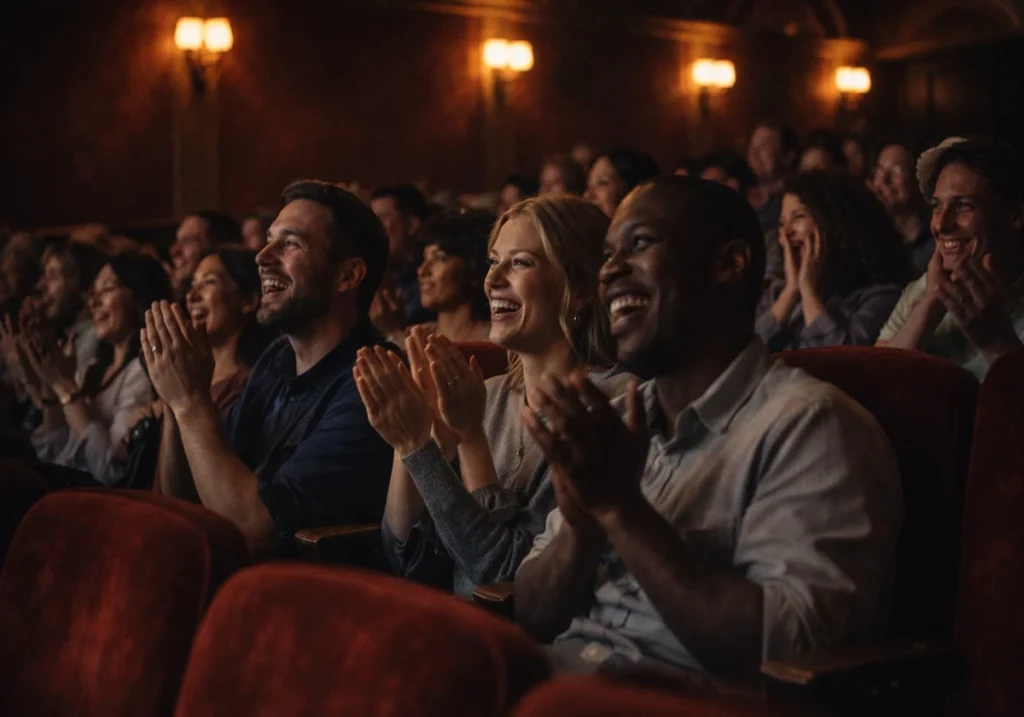
Cinema architecture, shared audiences, and the lack of control buttons work together to change how you experience what’s happening on screen.
Let’s see how these elements affect the way you watch a film.
Theatre Royal Architecture Directs Your Focus
What happens when you dim the lights and remove every distraction? Well, you get the kind of focus streaming can never deliver.
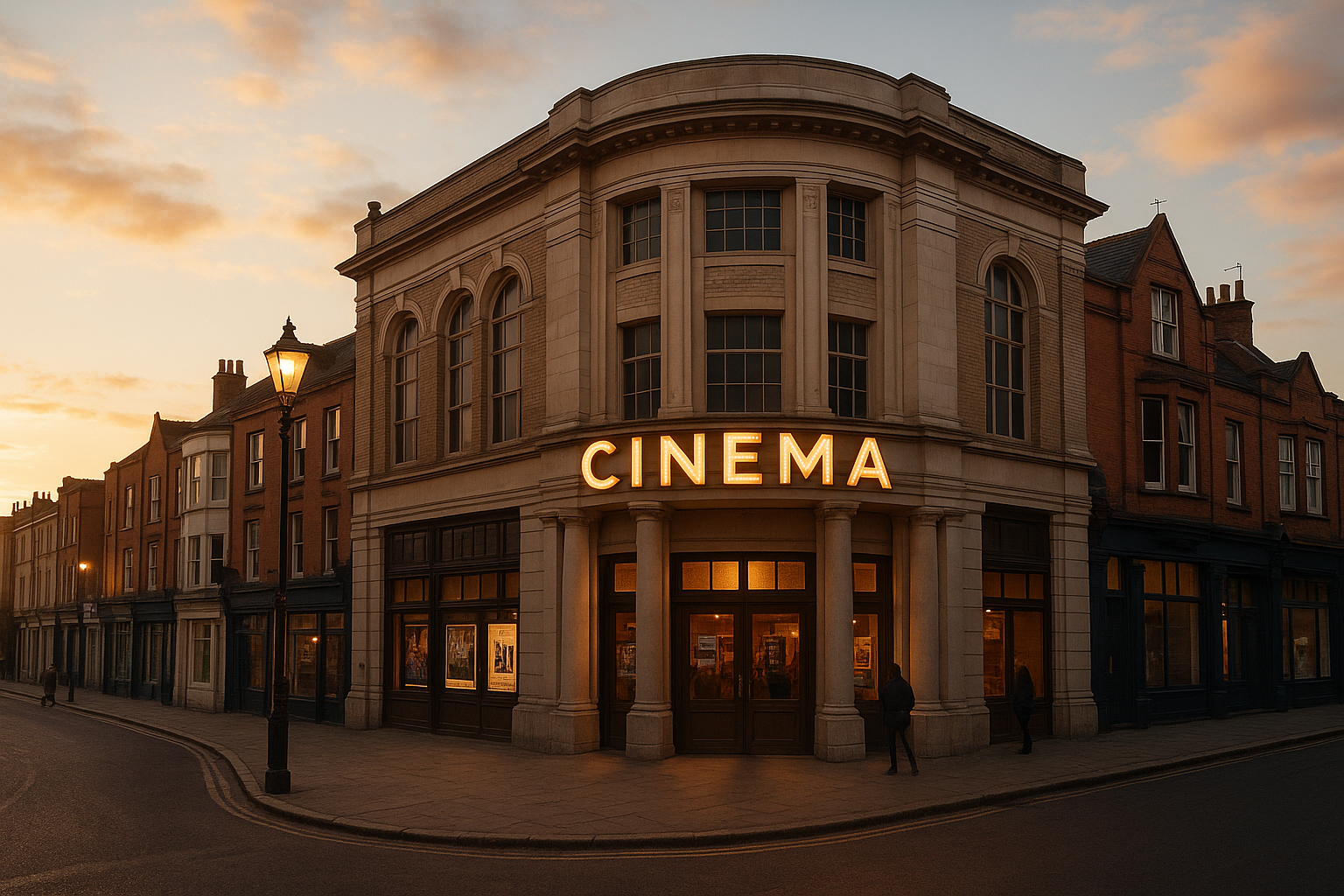
Historic theatre designs like Theatre Royal venues create a single focal point for audiences. For example, curved auditorium walls guide sound naturally toward the screen, which helps keep attention fixed forward. Besides, purpose-built seating angles ensure every viewer has a clear sightline, without craning their neck or shifting position during the film.
Shared Audiences Create Collective Reactions
At the theater, laughter spreads through rows faster than at home. It makes comedies funnier when you’re watching with a group of strangers. Sometimes, gasps and tension spread through the room during thriller scenes, which creates an atmosphere that solitary streaming cannot match.
After a powerful ending, audiences clap at classic cinemas. Those moments stay with you for years and make an ordinary night out something you’ll talk about with friends later.
No Pause Button Means Full Immersion
Generally, without remote controls nearby, you surrender to the film’s pacing exactly as the directors intended. Here, two-hour commitments force genuine engagement rather than half-watching while scrolling through your phone or making tea.
Beyond commitments, intervals at longer screenings give proper breaks (and yes, your bladder will thank you for the scheduled timing). But you pause when the film allows it, not when you feel like it.
Classic Cinema: Film Formats That Streaming Can’t Replicate
Older films often look flat on modern TVs, even though critics praise their visual depth. The reason behind this difference lies in how those films were originally shot and projected.
Excited to know about them? Here, we will explain to you the film formats and projection methods behind that difference:
The Visual Qualities of 35mm Film
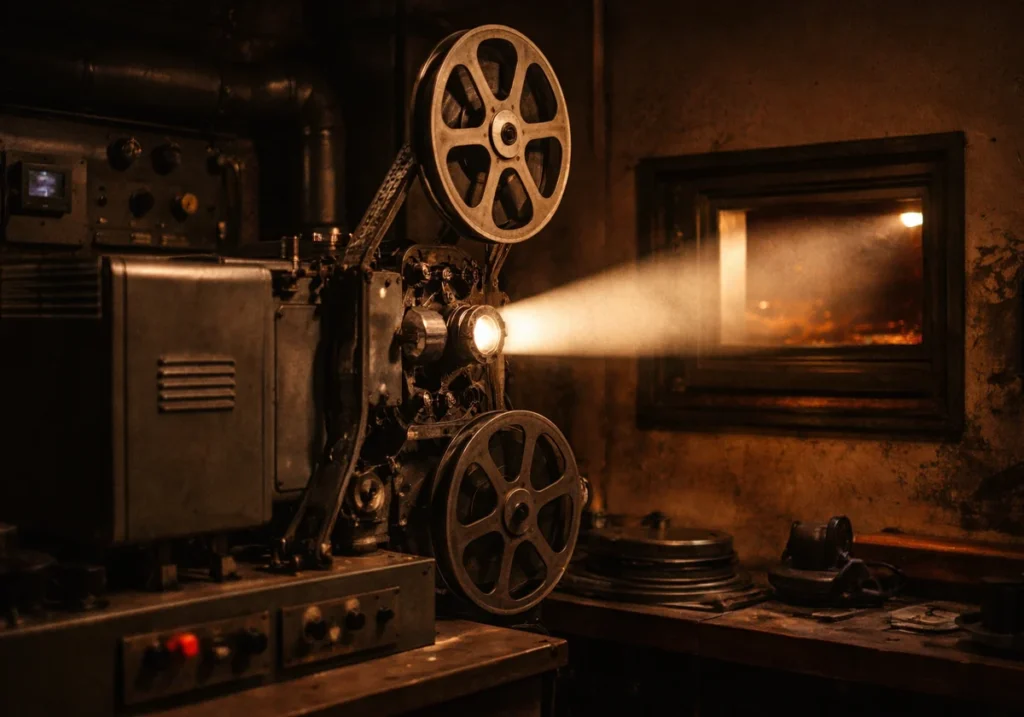
The fascinating history of cinema gave us film formats that streaming services cannot reproduce. Plus, film projectors cast light through physical celluloid, creating texture and depth that digital pixels miss entirely.
In 35mm film, each 35mm frame contains fine-grain patterns. These patterns shift slightly and add organic quality to character movement that you’ll never see on Netflix. From our experience showing classic films at Whiteladies, we’ve watched audiences react to that warmth.
Projection Warmth vs Digital Precision
Film projection has subtle flicker and imperfections that make images feel alive instead of clinically perfect. Directors from the World War era to modern filmmakers developed their style for this kind of presentation.
We know that digital streaming prioritises sharpness, but 35mm offers a softer glow. This glow flatters period dramas beautifully.
Verdict: Older films look proper on film because they were shot, written, and directed for such a presentation medium originally. It has a selected process and equipment that craft every scene you watch.
Film Grain Gives Character Digital Screens Can’t
Film grain changes from one film stock to another, which is why different decades have visual signatures you can often recognise straight away. Older films were shot with these textures in mind, but modern home TVs use processing that smooths such grain away and removes detail.
Film noir offers a clear example here. Directors used heavier grain in this film to add tension and atmosphere to shadow-filled scenes. So, if you watch these films on 35mm, they keep that gritty tone intact, exactly as it appeared on screen at the time.
Sound Systems Built for Storytelling
The best part about proper cinema sound is that you don’t hear the film only. You can also feel it through your seat and sense dialogue clarity.
Here are the details of the theater sound system that keeps you engaged with the screen.
- Three-Dimensional Speaker Systems: Cinema sound utilizes dozens of speakers strategically positioned throughout the space to create an immersive audio experience. This way, every scene comes alive when sound surrounds you.
- Centre-Channel Clarity: Dialogue travels through speakers aimed directly at audiences instead of bouncing off living room walls. So, you’ll catch every whispered line in films without fiddling with your remote.
- Bass You Feel Physically: Frequencies travel through the cinema floors and seats during action scenes with special effects and music. Believe it or not, explosions actually shake your chest when you watch films in proper cinemas.
- Uncompressed Theatrical Mixes: Generally, soundtracks lose dynamic range when compressed for streaming (we’re talking about 40% of the audio detail that is gone now).
- Daily Calibration: Proper cinemas adjust volume with equipment each day for every film scene. This way, musical accompaniment hits exactly as sound designers created it.
Remember: Your home speakers might be expensive, but they still play a compressed mix designed for living rooms. That setup can’t deliver the full theatrical sound experience.
Theatre Companies and Curated Programming
Some of Britain’s finest theatre performances now reach provincial cinemas, bringing National Theatre productions to audiences who’d never make the London trip. These theatre companies offer live arts experiences that go far beyond what streaming services provide.
Here are a few theatre companies and curated programmes worth knowing.
National Theatre Live Broadcasts
National Theatre productions are captured with multiple cameras, which allows close-up screenings that are impossible from most stage seats. That’s why the acting company teams work with directors to present performances that work both for live audiences and cinema viewers.
This approach brings productions written by famous playwrights, including those who created Shakespeare’s plays, to audiences in cities like Bristol. It even excludes the cost of travel or the frustration of sold-out shows.
We’ve hosted dozens of NT Live screenings, and audiences consistently tell us the experience feels communal. Women and men in these productions often deliver performances that remind you why live theatre continues to draw audiences.
Political Theatre Needs Live Audiences
Political theatre sparks conversations in cinema foyers afterwards, and those discussions rarely happen for streaming viewers. In this setting, the ideas presented in provocative plays work better with live audiences. That’s because they react together and confirm shared responses to challenging themes around social change.
From films written in the Civil War era to modern drama, many classic political films have been shown theatrically. These films remind us that cinema has always been a space for commentary. For that reason, this genre needs the collective energy that only public performance provides.
Warner Bros Classics in Proper Context
Retrospectives of Warner Bros films at cinemas include introductions explaining historical context that you will never find in streaming services. Only a team member or film historian might explain how a famous director created scenes near landmarks like St Paul’s Cathedral. They might also explain how Charles II shaped theatre culture that still influences productions today.
That’s how classic film seasons curated by theatre companies across the country bring these forgotten gems back where they belong.
Example: Some early productions featured boys playing female roles, a practice that influenced acting for generations.
The Cinema-Going Rituals You Lose at Home
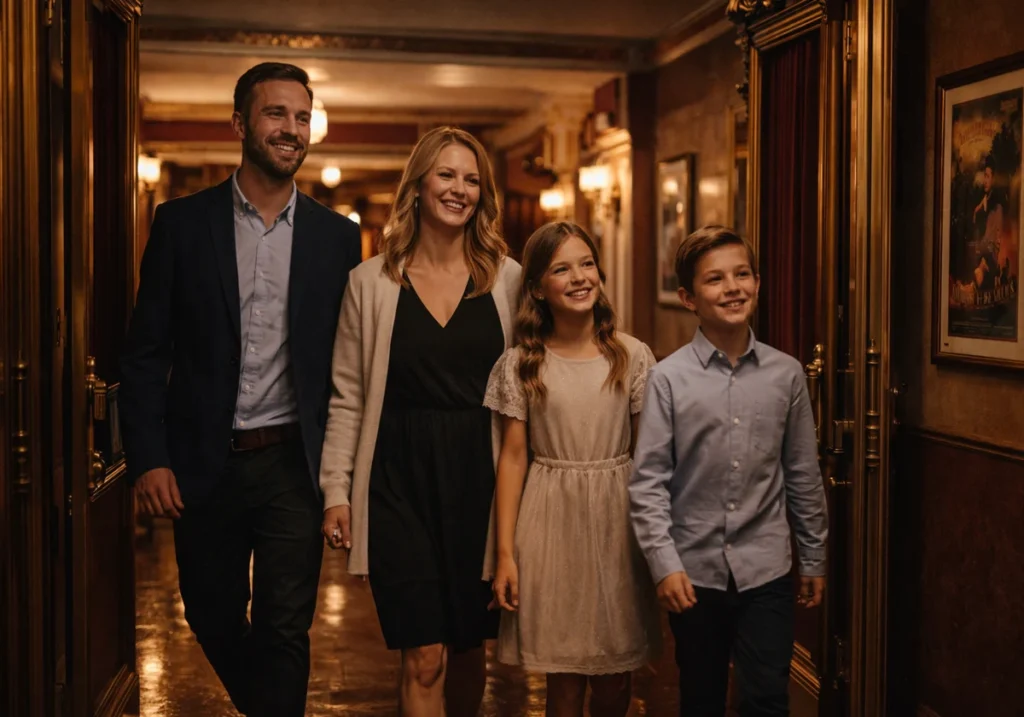
Cinema visits create anticipation and memories that last for years, while streaming offers convenience that you’ll forget by next weekend.
Here’s how cinema converts an ordinary night into something you remember.
- Getting Dressed and Leaving Home: Preparing for a night out makes watching a film feel like an event rather than background noise. You can either bring children along or enjoy with your wife. The ritual makes the experience feel special in both ways.
- Buying Tickets in Advance: Sometimes, purchasing tickets days ahead creates anticipation that builds as the date approaches. That’s because your favourite film feels more meaningful when you’ve waited for it, unlike instant streaming.
- Post-Film Discussions: Talking about scenes with strangers in the foyer afterwards brings immediate reactions that streaming never offers. For generations, working-class audiences and communities have gathered this way to share stories with friends and family.
- Catching Trailers and Creating Memories: You can even arrive early to see previews. It builds excitement for each season’s upcoming events and releases. That’s how cinema visits stick with you far longer than scrolling through what’s called “watchlists” at home.
Bottom line: Fun plays just as large a role as the film itself when you explore cinema properly.
Your Next Visit Counts More Than You Think
Streaming changed how we watch films, but it can’t replicate film projection warmth, collective audience energy, or rituals that create lasting memories.
Every visit to a proper cinema supports the arts and keeps theatre spaces alive for future generations. With this visit, you’re participating in a cultural tradition that’s inspired audiences since the early days. It’s a real treat, and a must-do for anyone who wants to explore cinema properly.
Planning to explore a classic cinema experience? Whiteladies Picture House in Clifton has been showing films since 1921. So, book your next visit and explore why the big screen still delivers.
Related Posts

Family Movie Nights: How to Create Magical Memories at the Cinema
Many parents struggle to pull their kids away from tablets…
Why 35mm Film Still Matters in a Digital Age
35mm film still matters because it creates a cinema experience…
The Revival of Independent Cinemas: Why Community Theatres Are Thriving Again
Independent cinema in the UK is thriving again because people…