Nobody sets out to build a community. It just happens when the same people show up to the same place, week after week, for long enough that faces start to feel familiar.
We’ve seen this play out at Whiteladies Picture House for over a century now. Our cinema in Bristol has grown into one of those community spaces where connections form on their own. People come for the film, but they stay because the building itself has become part of their routine.
So what makes historic cinemas across the UK so good at creating these bonds? That’s exactly what we’ll explore in this blog.
Why Historic Cinemas Feel Different From the Start
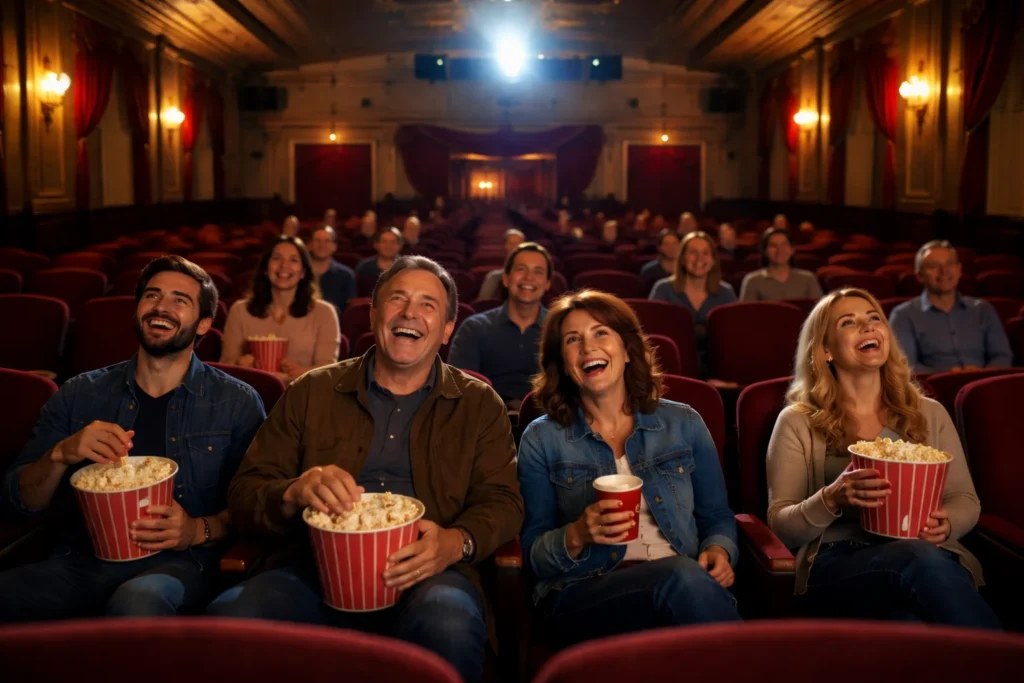
Historic cinemas feel different because they carry decades of character that newer venues haven’t earned yet. You notice it the moment you step through the door. And it comes down to two things: the building itself, and the people inside it.
The Building Tells a Story
Older venues have personality built into the walls. You see it in the original architecture, the worn velvet seats, and the little details that have survived since opening night. And to be honest, all of that adds a warmth you can feel the moment you walk in.
These buildings across the UK have stood for generations, and that history shapes how the space feels. The atmosphere is personal, like stepping into a neighbour’s living room rather than a chain venue designed by committee.
Faces You Start to Recognise
Staff at historic cinemas often know regulars by name. They ask about your week and remember what you like to order (and yes, they’ll have it ready before you ask). This kind of warmth takes years to develop, and you won’t find it at your local multiplex.
Community Spaces That Form Around a Shared Screen
Shared spaces often leave you feeling connected to people you’ve never spoken to. Something about sitting in the dark together, reacting to the same moments, creates a quiet bond.
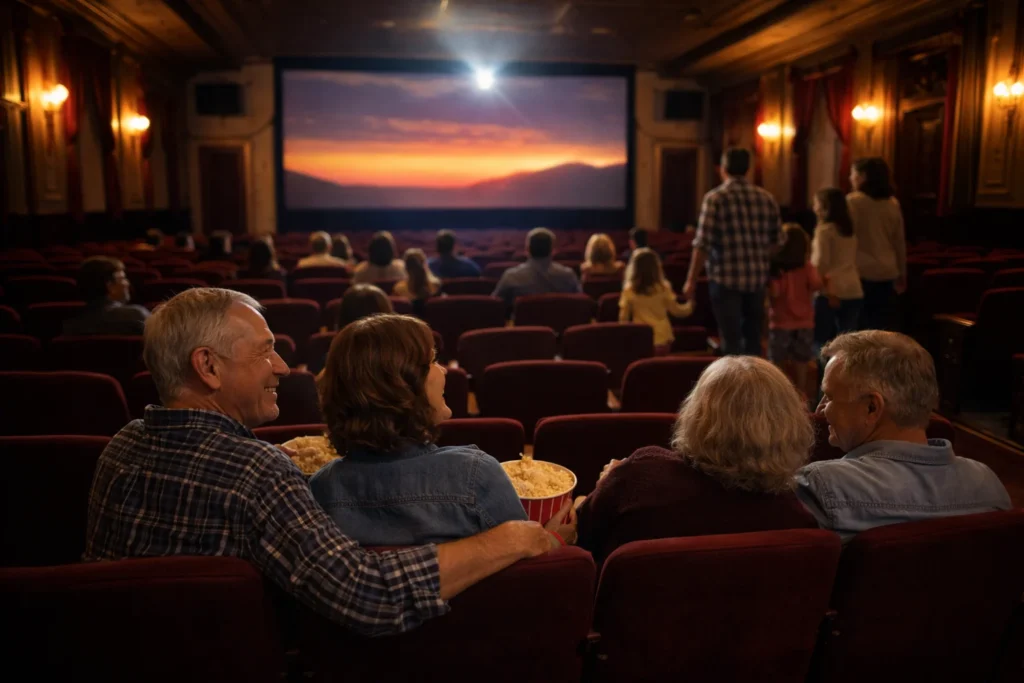
Here’s how it usually goes:
- Shared Reactions Create Bonds: Audiences laugh together during comedies and hold their breath during tense scenes. These small moments build up over time, and you start to feel like part of something bigger than yourself.
- Foyer Chats Turn Strangers Into Regulars: It starts with a nod from the couple who always sit in row G. Then a quick chat about last week’s film while you queue for popcorn. Before long, visitors who arrived as strangers start greeting each other by name.
- Events Bring the Neighbourhood In: Many historic cinemas host Q&As, themed nights, and local events that draw those from across the community. Research from Historic England offers insights into how heritage spaces across England strengthen social ties in ways newer buildings rarely manage.
These community spaces grow naturally when people keep showing up to the same place.
The Small Rituals That Keep Audiences Coming Back
Regulars at historic cinemas develop their own routines over time. Some always grab the aisle seat in row five. Others order the same interval snack without even glancing at the menu. And believe it or not, some audiences have sat in the same spot for decades.
These habits form because the space feels familiar. When you find a cinema that fits your rhythm, you stop thinking about where to sit or what to order. It just becomes part of your week. And for many, that weekly film screening turns into a fixed appointment in their diary.
There’s comfort in that kind of routine, especially when everything else feels unpredictable. A long week feels lighter when you know exactly where you’ll be on Friday night.
When Film Becomes a Family Tradition
Now that we’ve covered personal habits, let’s talk about what happens when those habits span generations, because some things are worth passing down.
Parents bring their children to the same cinema they visited as kids. Grandparents share stories about films they watched in the same auditorium decades earlier. And from what we’ve seen at Whiteladies Picture House over the years, these visits create a thread that connects families across generations.
While many cinemas faced closure during difficult years, venues that worked to stay rooted in their communities found a way through.
What Gets Lost When a Cinema Closes
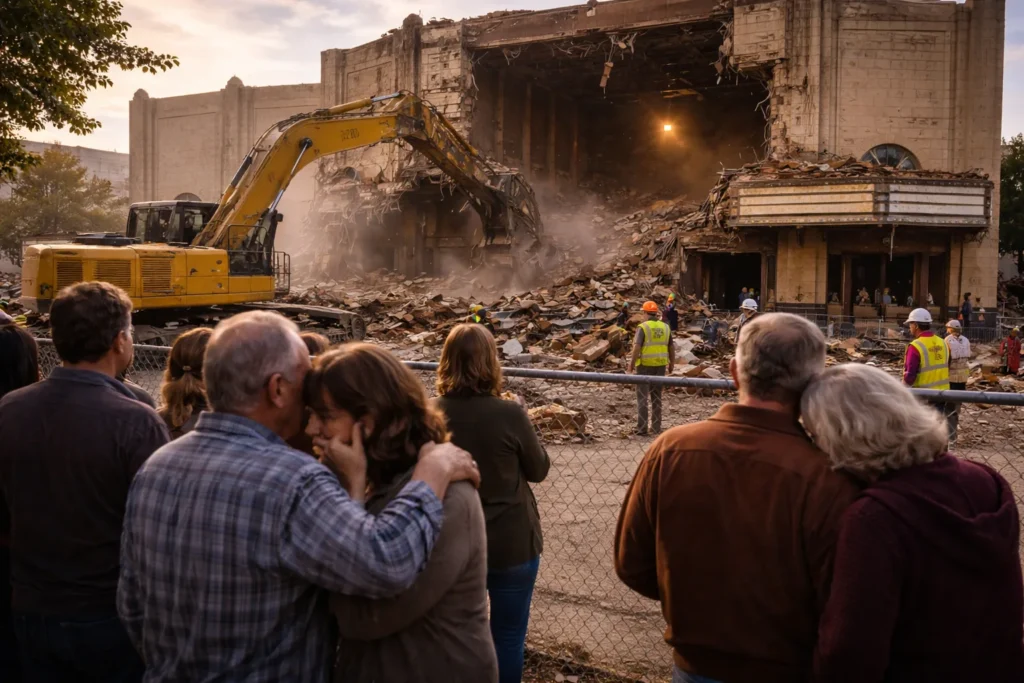
When a local cinema shuts its doors, the loss goes beyond the building itself. Regular audiences lose their weekly routine. Families lose the place where three generations watched films together. And the town loses one of its last remaining community spaces.
In towns and cities throughout the UK, dozens of independent cinemas have faced closure in recent years. Each one took something with it that a streaming service or multiplex can’t replace. The corner shop might remember your name, but it won’t remember the night you saw your first horror film with your mates at fourteen.
These places hold memories that belong to the people who visited them. Once they’re gone, those stories lose their anchor.
A Cinema That Remembers You
A good local cinema becomes part of your weekly routine and personal history. It marks birthdays, first dates, and ordinary weekends alike. Over time, these visits add up, and the building starts to feel like yours.
But here’s the thing. When you find a picture house that fits, you become part of something that’s been running long before you arrived. Across the UK, independent cinemas have survived for decades, while many larger chains have faced closure. And the Cinema Theatre Association has worked to help people protect these venues for future generations.
That kind of staying power comes from community, instead of marketing budgets. So if you’re in town and looking for that kind of place, check out our listings page at Whiteladies Picture House. Your seat is waiting!
Related Posts
Why Some Films Are Best Watched in a Theatre
Some films are best watched in a theatre because the…
The Hidden Work That Keeps Old Cinemas Alive
You've probably watched a film in a beautiful old cinema…
Hidden Gems: Underrated Films We Love on the Big Screen
Have you ever stumbled upon a film so captivating that…