People are returning to physical cinema spaces because streaming simply cannot replicate the communal thrill of watching films on the big screen. Your living room (regardless of how fancy) lacks that shared atmosphere.
This was not always obvious, though. Just a few years ago, cinemas looked dead. Lockdowns kept us home, ticket prices kept rising, and streaming services made staying in feel like the sensible choice. With all that stacked against them, many people genuinely wondered if movie theatres had any future at all.
And yet, cinema comeback trends are now proving those predictions wrong. Audiences are heading back in growing numbers, and data from the UK Cinema Association shows admissions climbing steadily since 2021.
So what actually changed to influence the film industry audience behaviour? In this article, we’ll explore the factors driving the rebound, including premium formats and special event screenings.
Let’s start with cinema attendance and market size.
Cinema Attendance and Market Size: What’s Really Behind the Rebound?
Cinema attendance is rebounding because theatres have become experience destinations rather than just places to watch films. Premium formats, social appeal, and event screenings have changed why people buy tickets.
Here is a closer look at the trends driving this change.
What the Numbers Tell Us
Global cinema attendance trends show a clear post-pandemic lift (though we have not returned to pre-COVID levels just yet). This growth is driving the market, with the global movie theatre industry valued at USD 68.37 billion in 2025 and expected to reach USD 108.86 billion by 2034.
Of course, these numbers vary depending on where you look. For example, North America holds about 33% of the market. In contrast, the Asia Pacific is growing the fastest, driven by rising incomes and rapid urbanisation. While growth isn’t uniform everywhere, the overall trend points upward.
Why Are People Coming Back?
A big part of what’s bringing audiences back through the doors is the emotional payoff of shared experiences. Watching a film with a crowd, laughing together, gasping at the same twist, that communal energy lingers far longer than a solo streaming night ever could.
There is also the social factor to consider. Event movies create shareable moments and a genuine fear of missing out. For example, films like Barbie (2023) and Wicked (2023) sparked massive online buzz, with audiences dressing up and posting their cinema trips across social media.
Because of this, going to the cinema has now become a way for younger audiences to join the cultural conversation rather than just watch a film.
Rebuilding Value with Modern Experiences
With all this demand returning, cinemas have had to raise their game to compete with streaming services. We’re talking about premium screens like IMAX and Dolby Atmos that now deliver visuals and sound your living room can never match. They also offer luxury seating and gourmet food to make the experience feel truly special.
Flexible ticket models and loyalty programmes have rebuilt value, too. Theatre owners now understand that audiences want a genuine reason to leave the house, and cinemas are finally giving them one.
Segmentation Analysis: Who’s Returning?
However, not everyone is coming back for the same reasons. Different audiences have different motivations, and understanding these can help cinemas customise their offerings more effectively. This is how the main groups break down:
Gen Z
Gen Z leads the cinema resurgence with an average of 6.1 visits per year. That marks a 25% jump in attendance frequency compared to previous years. Social media appeal drives much of this behaviour, as younger moviegoers chase shareable moments and communal experiences they can post about later.
Millennials
Meanwhile, millennials are returning for nostalgia and group outings. This generation grew up treating cinema as a social ritual, so the habit runs deep. Many now organise trips around blockbuster releases or classic film screenings with mates to recreate memories from their younger years.
Families
Now, what brings families back to the cinema? More than anything else, bundled convenience, like movie tickets combined with snacks, drinks, or special screenings, sits at the top of the list.
This combination clearly works, too. Titles like A Minecraft Movie (2025) and Lilo & Stitch (2024) drove strong family attendance throughout 2025, which proves the appetite is there when the experience feels manageable.
Older Adults
Finally, the 45 age group is actually one of the fastest-growing markets in UK cinemas. Part of this growth comes from loyalty programs, daytime screenings, and a preference for routine, which keep this group returning regularly. For many in this group, the cinema remains a comforting part of their weekly rhythm.
Box Office and Cinema Admissions: How the Industry Is Winning Audiences Back

The film industry is winning audiences back by treating cinema as an event rather than just a place to watch a film. Theatres have invested in better technology, smarter programming, and experiences you simply cannot get at home.
Let’s look at how these strategies are playing out in practice.
Strategies for a Modern Audience
Blockbusters still generate most box office revenue, but studios now release them differently. They build anticipation with social media campaigns and strategic marketing partnerships. Event tie-ins are now standard practice as well, with merchandise drops and themed screenings turning new releases into cultural moments.
Take Barbie (2023) as an example of this strategy. The film’s marketing included tie‑ins with fashion brands, food and beverage partners, and merchandise drops. And these promotions appeared across social media long before people saw the movie in cinemas.
Then, fans shared posts about official Barbie products and meme content online, which made the film feel like an event rather than just a release.
Events, Concerts, and More
Cinema admissions are also rising for special events and unique screenings. Concert films like Taylor Swift’s Eras Tour and Beyoncé’s Renaissance attracted large crowds who wanted the shared experience of singing along with others.
Retro marathons and classic film screenings draw loyal fans as well. This shows that the big screen appeals to all ages and tastes.
Data-Led Decisions
Behind the scenes, theatre owners now use data tools like box office analytics, ticketing trends, and audience demographics to plan releases and attract the largest audiences. These tools show which films will perform best on specific days, so cinemas can adjust their schedules for maximum impact.
At the same time, loyalty programs and personalised offers have evolved to reward repeat visits by giving points, discounts, or exclusive access. Cinema apps like Odeon, Vue, and Showcase use these rewards to recommend films based on past views and send targeted promotions to keep customers returning.
Smarter Advertising and Niche Targeting
Cinema advertising has also become more local and more relevant to specific audiences. For example, theatres now highlight films that appeal to specific audiences, such as family-friendly animations for parents or action blockbusters for young adults.
Independent cinemas, in particular, succeed by showing movies that reflect their communities, like local documentaries or culturally relevant stories. This strategy builds stronger connections with moviegoers, who feel seen and welcomed.
Cinema Growth Trends: What’s Next for Theatres and Moviegoers?
The cinema comeback trends we covered clarify one thing: theatres aren’t dying. Instead, they are evolving into something better suited to how we live now. More studios are investing in theatrical releases and cinema-first contracts because the big screen is still valuable to audiences.
Of course, there are challenges. Affordability, content quality, and competition from streaming services all pose real hurdles that the industry must address. Even so, audiences now have more choice, more formats, and more reasons to visit than ever before.
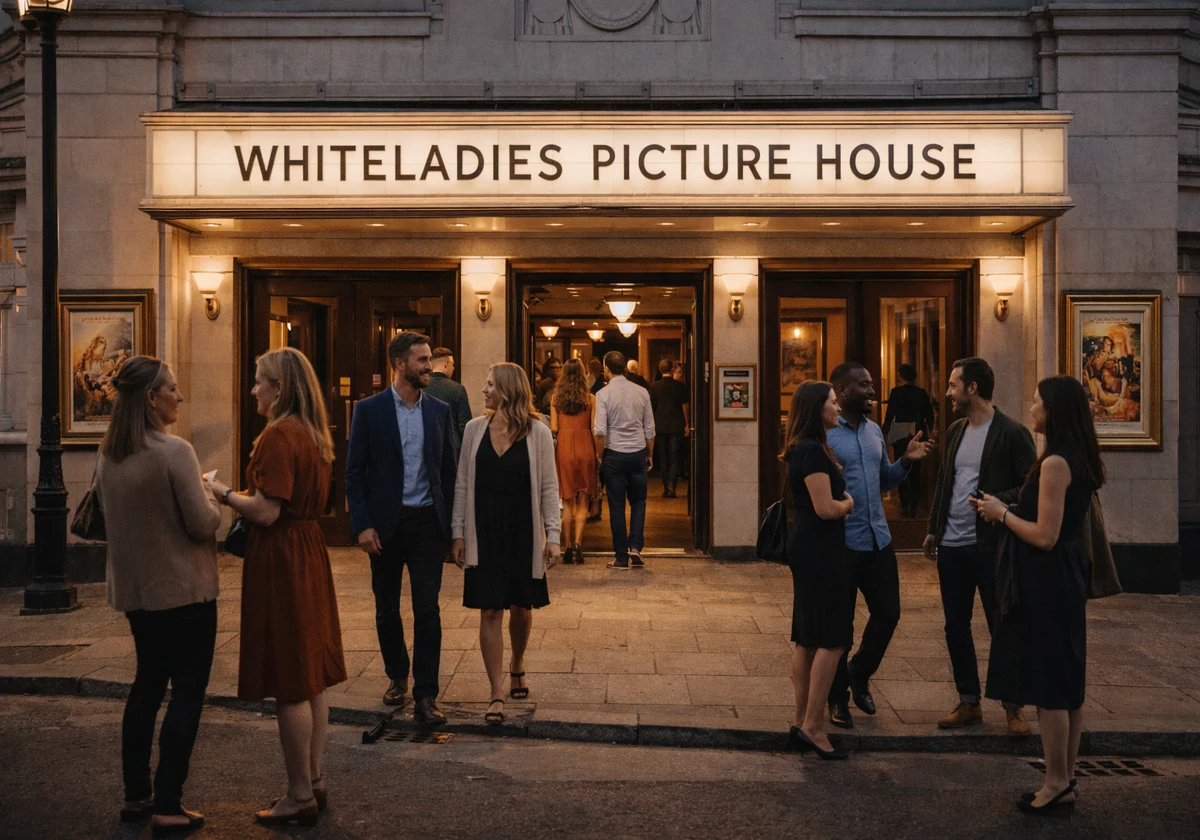
So, why not see for yourself this weekend? Check out what is showing at Whiteladies Picture House and experience the excitement of the big screen firsthand.
Related Posts

The Magic of 35mm and Why It Still Matters
The charm of 35mm projection comes from its small imperfections.…

The Role of Local Cinemas in Community Engagement
Your neighbourhood cinema shows the latest film releases, but it…
Why Classic Cinemas Feel Different From Streaming
Classic cinemas feel different from streaming because the physical environment…