Most people walk out of a great cinema and struggle to explain what made it so good. The film was brilliant, sure. But there was something else going on too, something in the air that a living room simply cannot replicate.
That feeling has a name, and it’s called cinema experience design. It is the art of building an environment where every detail works together to pull an audience deeper into the story on screen.
For over 100 years, Whiteladies Picture House has seen how the right environment can pull audiences deeper into every story. That perspective makes cinema experience design a topic worth exploring. And we think it is worth talking about what actually goes into it.
Cinema Experience Design: What Separates a Great Night Out from Just Watching a Film
Cinema experience design is the deliberate shaping of every sensory and spatial element that surrounds a film screening. A big screen and comfortable seats play a part, yet the real impact comes from the hundreds of small decisions that slowly add up to something audiences feel in their bones.
Here is what separates a genuinely great night out from just another screening.
The Atmosphere Cinema Audiences Actually Remember
Think about the last time you walked into a cinema that just felt right. The low lighting, the faint smell of popcorn, the hush that settles over a full room seconds before the lights drop. These are not happy accidents; rather, they are the result of considered decisions made long before opening night.
Sound design, lighting levels, and even the texture of the seats all influence how emotionally open cinema audiences feel when the opening scene hits. The stories on screen land harder when the environment around them has been carefully built to support them.
Most people never consciously notice any of it. They just know the evening felt special. That is precisely the point. Great cinema experience design works best when it stays invisible to the people inside it.
Why the Film Industry Started Thinking Beyond the Screen
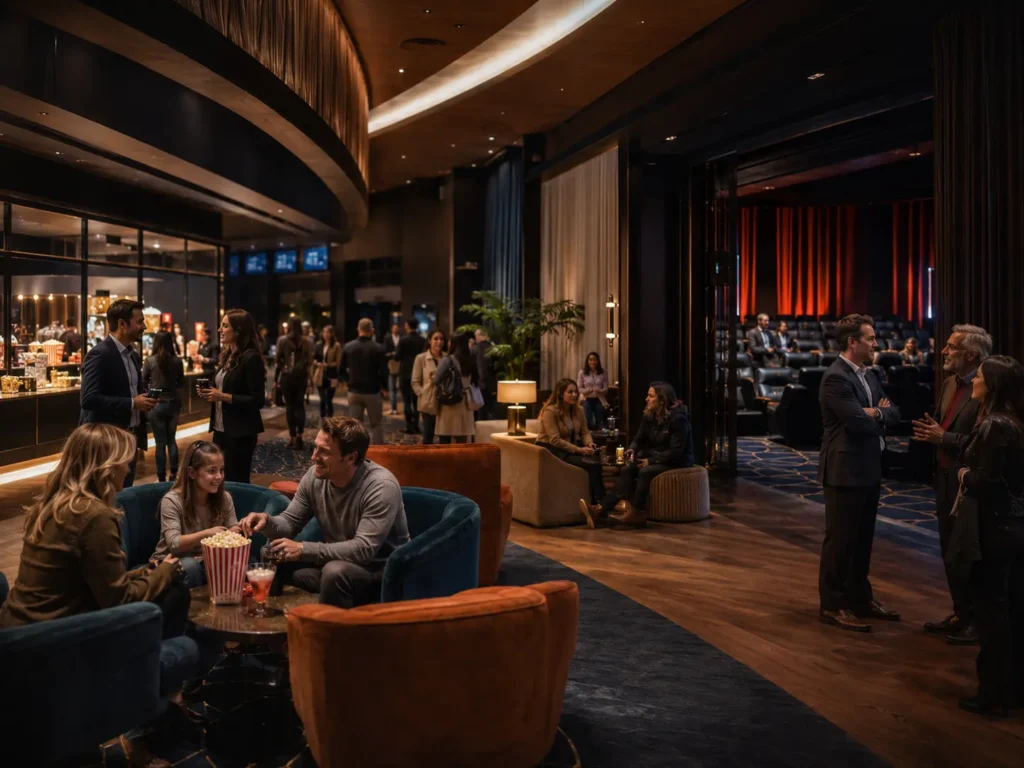
Audience expectations changed, pushing the film industry to focus on the entire cinema experience rather than the movie alone. Better picture quality alone was never going to cut it.
What no amount of home media technology could replicate was the shared experience of watching a film with a room full of strangers who all laugh, gasp, and fall silent at the same moment.
Also, research shows that 98% of people associate cinema with co-viewing experiences. That shows how strongly audiences value watching films together.
Independent cinemas picked up on this faster than the large chains did. Rather than competing purely on technology, they leaned into character, history, and community. And the entertainment they offered started to feel genuinely different from anything you get sitting at home on your sofa.
The Details That Shape How You Watch Films
When every physical detail of a cinema is considered carefully, the audience stops noticing the room and starts living inside the film. It sounds simple, but getting there takes a lot of deliberate work.
Here is where the craft of film exhibition comes in.
Sound, Light, and the Feel of the Room
Sound and lighting design have a direct impact on how audiences experience a film. These elements shape the atmosphere before the story even begins and continue influencing engagement throughout the screening.
Key areas that affect audience immersion include:
- Acoustic Design: Sound determines how dialogue, music, and moments of silence are experienced in a shared space. Poor acoustics can blur a soundtrack that filmmakers spent months refining.
- Auditorium Lighting: Inside the theatre, lighting helps guide attention and set expectations. A gradual fade to darkness prepares audiences for the film and creates a sense of anticipation before the first scene appears.
- Transition Lighting: The journey from foyer to auditorium also influences mood. As lighting levels change from bright communal areas to a darker viewing space, audiences naturally shift into a more focused and attentive state.
Together, these details create the conditions for a stronger viewing experience. Audiences may not notice these elements, but they feel their impact.
Large Scale Thinking: Screens, Spaces, and Sight Lines
Ever sat too close to a screen that felt slightly too small for the room? There is a particular wrongness to it that is hard to pin down, but you feel it immediately. Large-scale projection involves these three elements that every cinema needs to get right:
- Throw Distance: This is how far the projector sits from the screen. Too close and the image loses clarity. Too far, and brightness drops off noticeably across the whole picture.
- Aspect Ratio: This is the width-to-height proportion of the image on screen. A mismatched aspect ratio stretches or squashes the picture, which pulls viewers straight out of the story.
- Ambient Light Control: Any stray light bleeding into the auditorium reduces contrast and washes out the image. Good screens and blackout design work together to keep the picture sharp from every seat.
Poor sight lines can break immersion even when every other design element is working well. Good cinema experience design accounts for every seat in the room, instead of just the comfortable ones in the middle.
What Modern Cinema Experience Design Gets Right
Modern cinema experience design works by layering small, intentional details until the whole visit feels effortless and absorbing. A memorable cinema experience is built through consistent attention to detail.
Here is what that looks like in practice,
Small Touches That Cinema Audiences Notice Without Realising
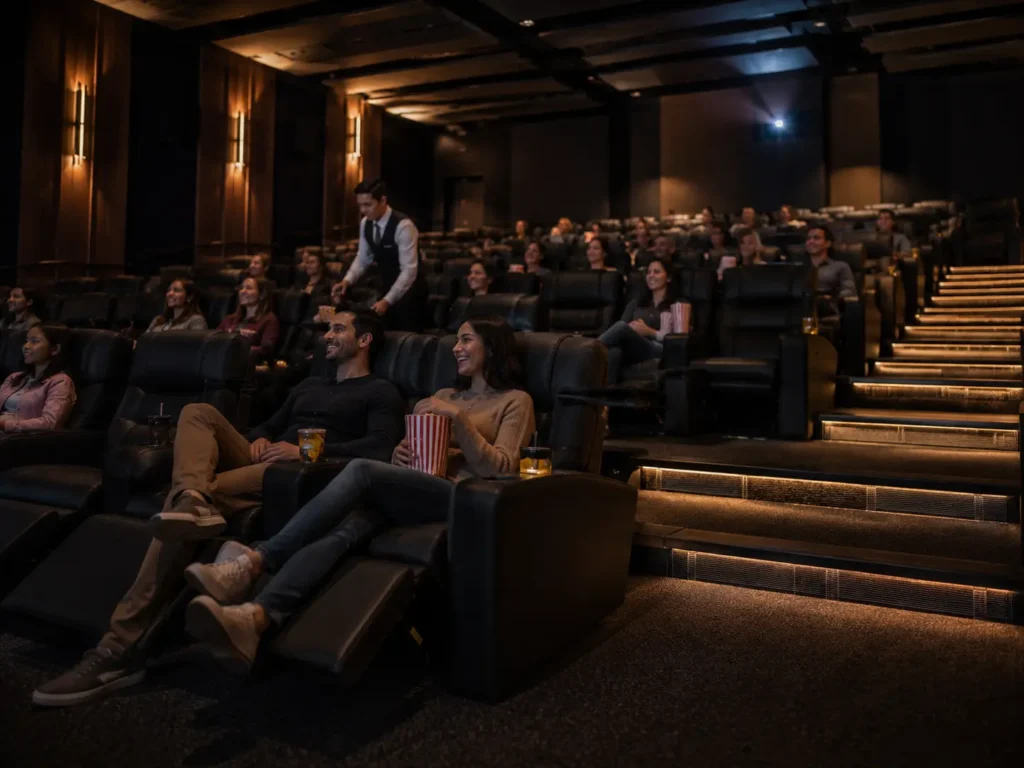
The quieter details of a well-run cinema leave the strongest impression on returning audiences. Let us look at what those details actually are.
Subtle background music in the foyer, a warm staff greeting, and the way snacks are presented all contribute to the atmosphere. None of these feels significant on their own, but together they stack up into something audiences instinctively recognise.
That focus on audience engagement across the whole visit is what separates a good cinema from a great one. The detail work is never flashy, but it always shows. And honestly, that is exactly how good experience design is supposed to work.
Heritage Venues and the Experience They Already Own
Some venues spend years trying to manufacture atmosphere. Older cinemas simply already have it built into the fabric of the place.
There is something in the worn details, the original architecture, and the sense of accumulated history that no modern renovation can fully replicate. In fact, trying too hard to modernise can strip away the very thing that made a heritage venue worth visiting.
A cinema carries that layered cinematic experience naturally. For many audiences, that sense of age and history is the inspiration that keeps them coming back.
Can Good Design Bring People Back? The Film Industry Thinks So
Cinema attendance has had a complicated few years, but one trend is coming through clearly: audiences choosing experiences over convenience. Here is what the film industry has worked out, and what independent cinemas are already putting into practice.
How Independent Cinemas Are Leading the Way
The main advantage of an independent cinema is that it can move quickly, take creative risks, and build a genuine local identity. Large chains simply do not have that kind of freedom. This is how independents are putting that advantage to good use.
Independent cinemas invest in programming, personality, and place in ways that attract a diverse range of moviegoers. The approach appears to be working, with people under 35 now accounting for 50% of all cinemagoers, according to figures from the Cinema Advertising Association. Themed nights, director Q&As, and curated film seasons all create reasons to return beyond new releases.
Independents are where the most interesting ideas in cinema experience are being tested right now. The film industry increasingly looks to venues like these for inspiration on the future of film exhibition.
And from what we see at Whiteladies Picture House, that future looks genuinely exciting.
What Cinema Audiences Are Really Paying For
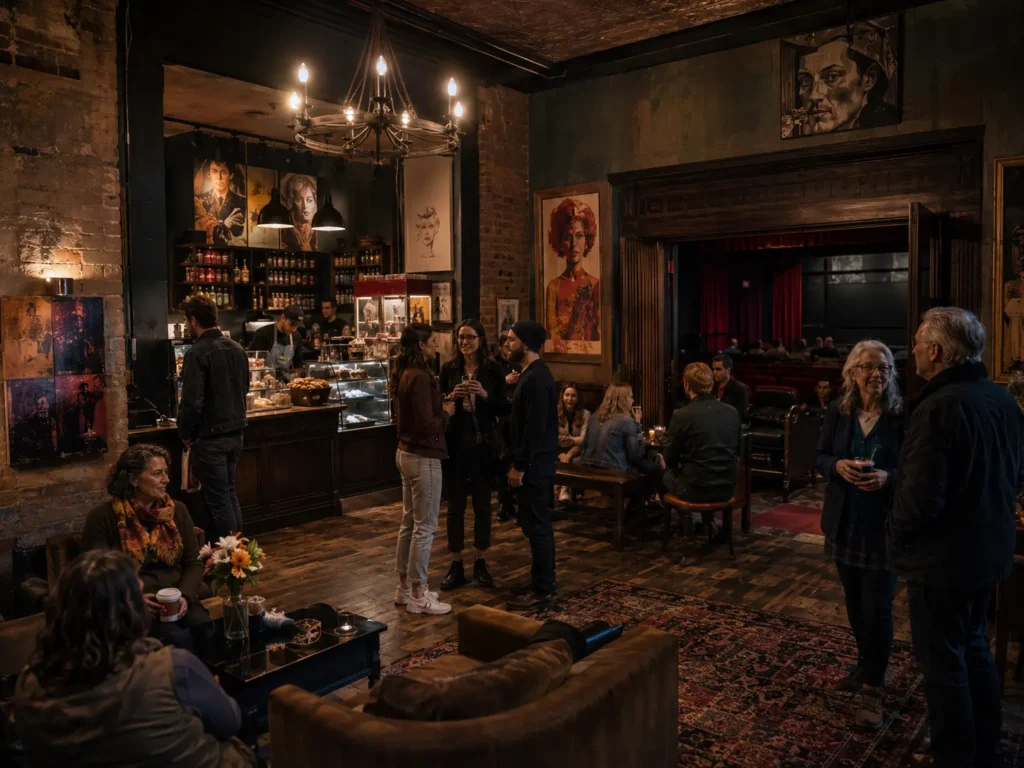
Now that we have covered what goes into the design, it is worth asking what audiences actually feel they are getting in return.
A ticket buys more than a film. It buys two hours inside a carefully considered environment, surrounded by people who chose to be there for the same reason. Cinematic storytelling lands differently when a target audience experiences it together, in a space built specifically for that purpose.
Let’s see a comparison between Independent Cinemas vs Large Chain Cinemas to have a better idea:
| Experience Element | Independent Cinema | Large Chain Cinema |
| Programming | Curated, themed, and seasonal | Mainly new releases |
| Atmosphere | Built over time, feels genuine | Consistent but largely uniform |
| Audience Engagement | Personal, community-focused | Broad and impersonal |
| Screen Environment | Considered, often heritage-rich | Standardised across locations |
| Staff Interaction | Warm and knowledgeable | Functional and efficient |
Independent cinemas do not just screen films differently. They think about the whole world a film sits inside, and that distinction is something cinema audiences notice every single time.
The Seat’s Waiting for You
A cinema that gets experience design right gives you something no streaming service can replicate. It gives you a reason to leave the house, sit in a room full of strangers, and feel something together. That is what great cinematic experience has always been about, and it is what keeps people coming back.
Whiteladies Picture House has been refining that experience since 1921, right here on Whiteladies Road in Clifton, Bristol. Every screen, seat, and detail of the visit has been considered with the audience in mind. That kind of care does not happen overnight.
So if it has been a while since your last visit, or if you have never been, now is a great time to experience it for yourself. There is no better way to understand a century of cinematic evolution than by stepping through the doors.
Check out what is showing this week on our website and book your seats today. We would love to see you.
Related Posts
How Event-Based Screenings Are Changing Cinema Business Models
Most cinemas used to rely on one thing: new film…
The Hidden Work That Keeps Old Cinemas Alive
You've probably watched a film in a beautiful old cinema…
The Role of Local Cinemas in Community Engagement
Your neighbourhood cinema shows the latest film releases, but it…