Most cinemas used to rely on one thing: new film releases. A big premiere meant full seats, but a quiet week on the schedule meant empty ones. Cinema event screenings have changed that formula entirely, and independent venues across the UK are already seeing the results.
We’ve been programming themed nights, seasonal screenings, and community events for years now, so we’ve picked up a few things about what actually works. This article puts all of that into one place. You’ll get the business side of event-led cinema, from how streaming forced the shift to which film event ideas are bringing audiences back week after week.
So, if you’re curious about how cinemas are adapting and thriving right now, keep reading.
What Are Cinema Event Screenings and How Do They Work?
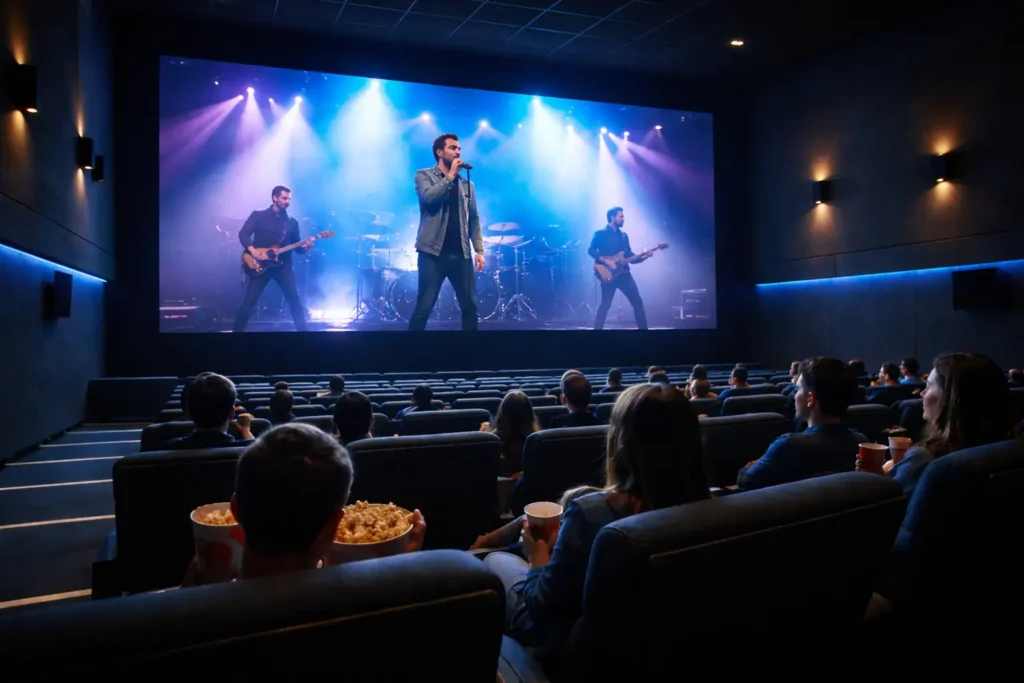
Cinema event screenings are film showings designed around a theme, occasion, or shared experience. It’s like when a cinema hosts a 50th anniversary screening of a classic film, complete with themed food and drink, plus a pre-show introduction from a local film critic.
Here’s how these screenings typically break down:
- Themed Formats: Cinemas build entire evenings around a concept, like a horror marathon in October or a sing-along screening of a beloved musical.
- Interactive Experiences: Q&As with directors and live art displays give audience members a reason to stay longer and connect with the film community around them.
- Premium Appeal: Because these events take more creativity to produce, cinemas can charge higher prices. Audiences are happy to pay more when the evening has been built with care.
Each of these formats gives cinemas a way to bring people back for something they genuinely look forward to.
How Streaming Services Forced Cinemas to Rethink Their Strategy
Streaming services pushed cinemas into a corner by making new film releases available at home, sometimes the same week they premiere.
When you can watch almost anything from your sofa, the old model of relying on ticket sales for new releases doesn’t hold up. Streaming platforms like Netflix have changed what consumers expect, and audience attendance has dropped across the UK.
But cinemas that have adapted keep finding something streaming can’t replicate: the shared, in-person experience. Our busiest evenings at Whiteladies Picture House aren’t always the new premieres, funnily enough.
They’re the themed community screenings where people dress up, grab a drink at the bar, and make a proper night of it (and let’s be honest, your sofa doesn’t have a 30-foot projection screen).
In recent years, cinemas across the US have pivoted towards event-led programming to adapt to this shift, and UK venues have followed the same path. The film industry has had to accept that consumers want more than a screening. They want an experience worth leaving home for, and the communal cinema experience delivers that in ways your living room never will.
Now, let’s look at how that shift actually pays off.
Why the Event Cinema Model Actually Makes Money and Shapes Cinema Business

Event cinema makes money because it increases what each seat is worth. A standard film screening fills seats at a fixed price, but an event screening brings in more per person because the whole evening is designed to encourage spending.
Two areas drive most of that growth:
1. Premium Pricing and Higher Margins
Event screenings let cinemas set higher ticket prices because audiences know they’re getting more than just a film. Believe it or not, alternative content like classic re-releases and live concert broadcasts has served as a lifeline for smaller cinemas during quieter periods (that’s a margin most standard screenings can’t touch).
Once that’s established, the real opportunity opens up beyond the ticket itself.
2. Revenue Beyond the Ticket
Cinemas that have created themed menus inspired by the film being shown regularly see higher bar and dinner spending per head.
Members who sign up for season passes or event calendars keep coming back, and that continued attendance makes the whole model thrive. Some venues in London have even project-managed their own mini festival seasons, bringing in local art pieces as part of the experience.
Together, these revenue streams give cinemas a box office alternative that actually holds up year after year.
Fresh Film Events Ideas Including Themed Movie Nights That Build Audience Loyalty
The events that build real audience loyalty tend to share one thing in common: they give people a reason to come back next time. A one-off screening might fill seats once, but a well-planned film events calendar keeps audiences returning year after year.
A few formats are already making this work across UK cinemas:
- Themed Movie Nights: Cinemas create entire evenings inspired by a film, with themed food, drink, dress codes, and quizzes. A Halloween horror marathon or a summer classics season gives audiences something to look forward to each year.
- Local Partnerships: We’ve tried this ourselves, pairing screenings with local Bristol businesses, and it brings in people who wouldn’t normally visit a cinema. Connecting a film premiere with a nearby restaurant for a pre-screening dinner turns a screening into a proper community event.
- Seasonal Programming: Frankly, this is where a lot of cinemas get it right. Planning a full season of curated screenings gives audience members a reason to keep checking what’s on. How a cinema curates its programming across different formats plays a big role in whether people come back or forget about you by the following week.
Each of these ideas works because it creates something audiences want to be part of. And from there, the focus shifts to something bigger.
What Film Festivals Mean for the Film Industry and Independent Cinema Strategy

Film festivals and curated seasons have given independent cinemas a distinct identity that separates them from mainstream chains.
Instead of competing on blockbuster premieres, smaller venues now build their audience around themed programming and community-driven events. And honestly, the pattern is pretty clear. The cinemas that thrive are the ones adapting to what their audience actually wants.
This shift has started to change how the wider film industry operates, too. Distributors are tailoring certain releases around event-friendly windows because they’ve seen how well these screenings perform (we’ve watched a few independents learn that lesson the hard way). Event cinema is becoming a larger part of how exhibitors build their audience strategies, and that continued growth has marked a real turning point for the industry.
Independent cinema strategy now centres on community connection, and community theatres building their identity around local people are bringing in audiences who stay loyal year after year.
The Big Screen Is Far From Dead
The cinemas that are thriving right now all have one thing in common: they’ve stopped trying to compete with your living room.
Instead, they’ve created experiences that make people want to leave home in the first place. Film festivals, themed movie nights, and community-driven programming have all continued to prove that audiences will show up when the evening is worth it.
The film industry is adapting, and the venues making the boldest moves are the ones filling seats. If your cinema hasn’t explored event-based programming yet, the opportunity is still wide open. And for audiences, the best part is that the big screen experience keeps getting better.
Want to see what event-led cinema looks like in person? Check out our upcoming screenings at Whiteladies Picture House and find your next reason to leave the sofa behind.
Related Posts

Why 35mm Film Still Matters in a Digital Age
35mm film still matters because it creates a cinema experience…

Why Some Films Are Best Watched in a Theatre
Some films are best watched in a theatre because the…
Why Classic Cinemas Feel Different From Streaming
Classic cinemas feel different from streaming because the physical environment…