A historic cinema experience builds on atmosphere, heritage, and shared audience moments, which gives it a weight no modern multiplex can match. That experience is what gives historic cinemas their lasting appeal.
Whiteladies Picture House has welcomed families, film lovers, and first-time visitors through its doors since November 1921. It has survived every shift the film industry has thrown at it, from the television boom to the streaming era we live in today.
So what keeps people coming back? This article explores why old buildings like this still pull crowds in a world where films are available at the touch of a button.
The Historic Cinema Experience: What Makes It Different
The historic cinema experience differs from modern venues because its architecture, programming, and traditions create an atmosphere that extends beyond the film itself. You’re stepping into a living piece of art with its own history and community.
Repertory and classic programming add another layer on top of that. It gives audiences films they simply cannot find on any streaming platform.
Here’s what sets the experience apart, starting with the building itself.
More Than a Screen: The Architecture That Draws People In
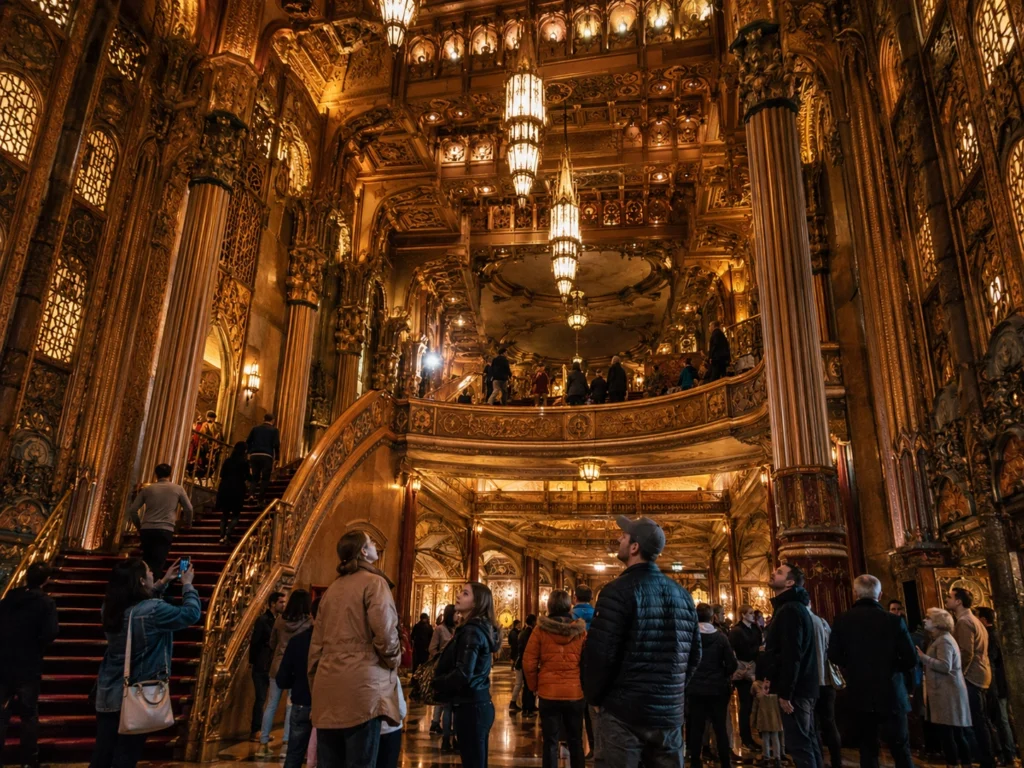
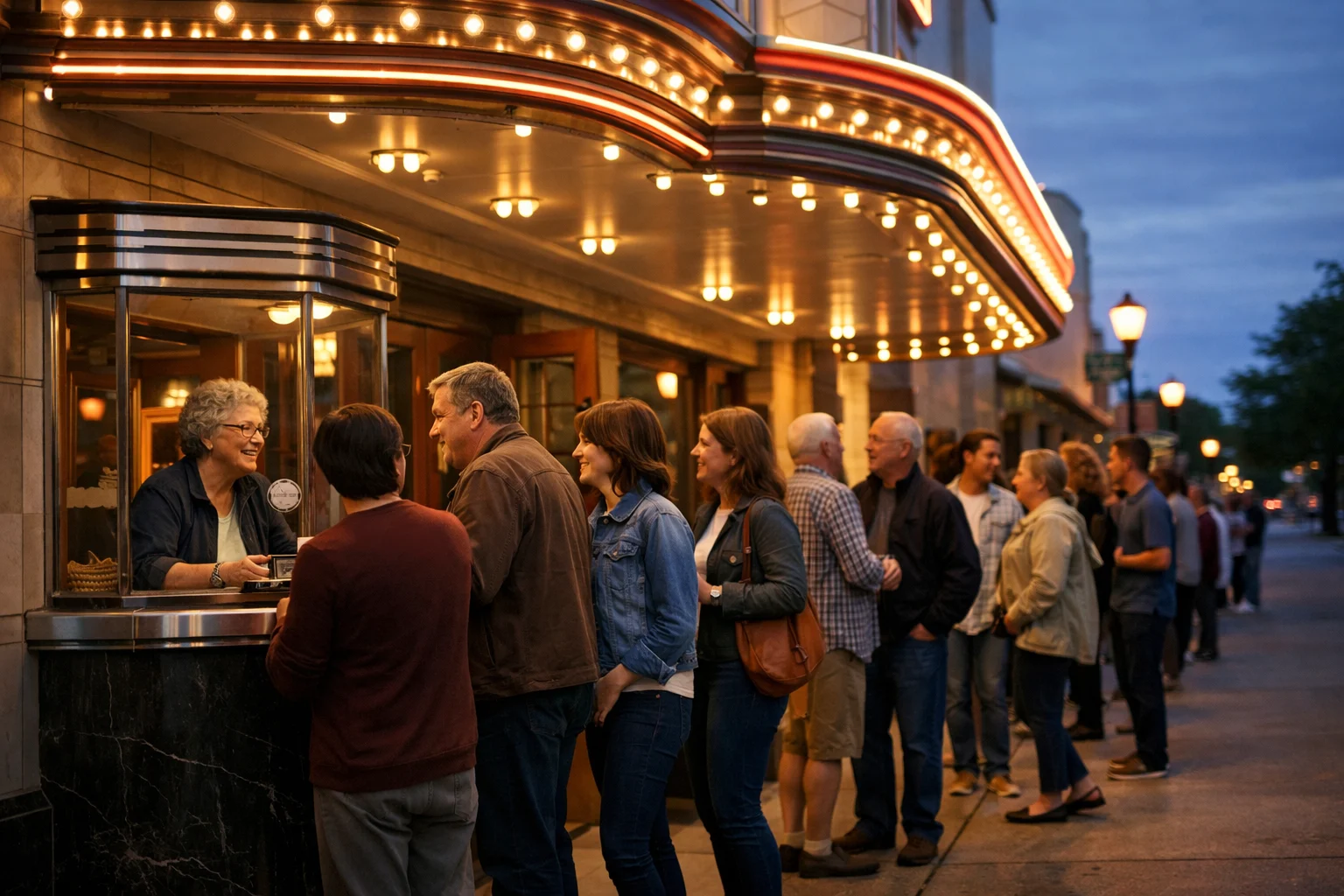
The moment you walk into a historic cinema, its architecture tells a story long before the film begins. After all, ornate interiors, vaulted ceilings, and period detailing create an environment that feels closer to a heritage museum than a standard night out.
We carry visible evidence of over a century of cinema-going right there in its walls. The restored features, worn charm, and carefully preserved details create an immediate sense of history the moment you step through its doors.
For many visitors, the building itself is half the experience before a single frame of art or film has played. It sets a tone, builds anticipation, and quietly signals that what you are about to watch deserves this kind of space.
Repertory Programming and the Wonderful Experience of Rediscovery
Repertory programming means screening older or classic films outside their original release window. It gives audiences the chance to experience beloved stories on the big screen rather than through a television or a laptop.
Think about watching a classic film on a laptop, then seeing it on a cinema screen with full sound and a crowd. The difference is hard to describe, but you feel it instantly.
Independent cinemas build their identity around this kind of programming across every genre. The mix of post-war dramas and cult midnight features reveals a great deal about the venue’s vision and the community it serves.
The Rituals That Keep People Coming Back
Ever noticed how some cinema visits feel like an event, while others feel routine? Often, the difference comes from small rituals like a drink at the bar, a familiar greeting, or a printed programme.
These habits create comfort and connection that extend beyond a single film. Over time, they become traditions that keep people coming back.
For independent cinemas, these rituals help build a loyal audience. Remove them, and part of the venue’s character disappears, which is why so many people return to Whiteladies Picture House year after year.
How the Film Industry outlined the Culture Around Old Cinemas
The best thing the film industry ever did for independent cinemas was overlook them entirely. That neglect forced smaller venues to build a distinct culture that no blockbuster-focused chain has ever managed to copy.
The following section explores how this culture developed and why it remains part of these venues today.
Building Community Beyond the Screen
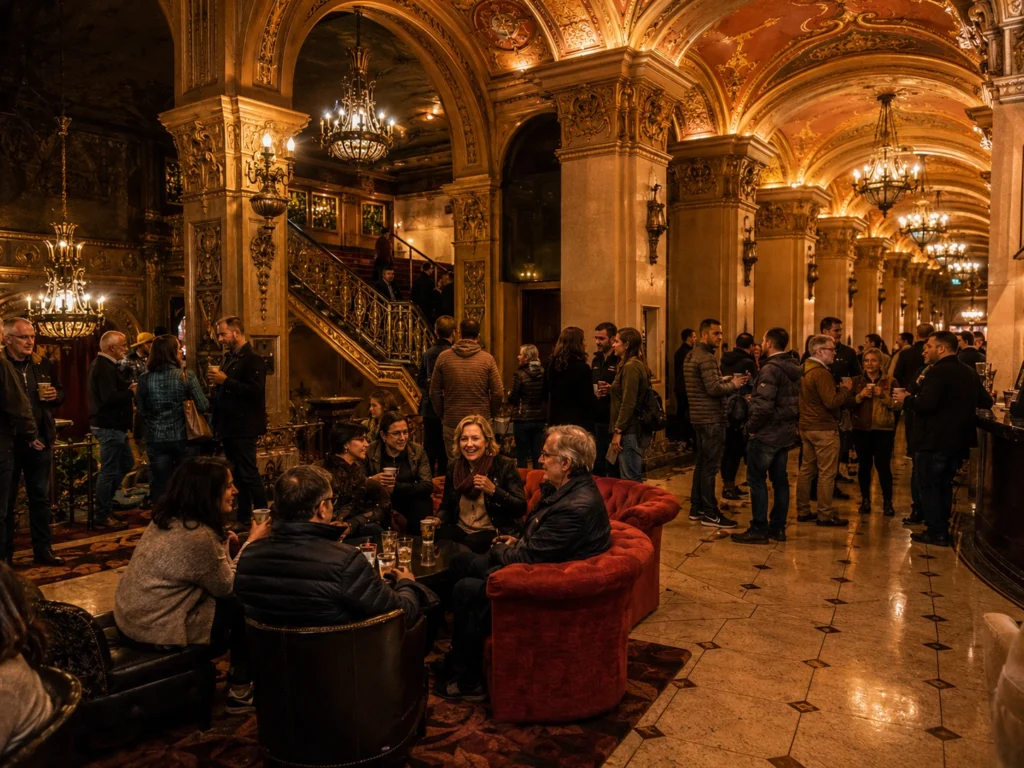
Cult screenings began in independent cinemas that programmed overlooked, unusual, or controversial films. These were not mainstream nights out.
A look at its history helps explain why it remains popular today:
- Midnight Screenings and Themed Events: Independent cinemas turned late-night screenings into social occasions. Audiences dressed up, arrived early, and made an evening of it.
- Cult Films and Word-of-Mouth Followings: Films like El Topo and Pink Flamingos found loyal audiences through repeat screenings. Small independent venues helped these films gain lasting popularity.
- Community Nights and Local Partnerships: Cinemas expanded beyond film screenings. Partnerships with schools, artists, and community groups brought new audiences through the doors.
- Programming That Stood Apart: Independent venues screened films rarely seen in multiplexes. Documentaries, foreign films, and experimental works helped them carve out a unique place in the market.
That spirit of alternative programming remains one of the main reasons audiences continue to support independent cinemas today.
Why the Medicinema Appeal Surpasses Nostalgia
Most people assume the draw of an old cinema is purely nostalgic, but that only tells half the story. Medicinema is a UK charity that brings the cinema experience directly to patients in hospitals, including children’s wards and long-stay units across London and beyond.
The appeal of Medicinema comes from cinema’s ability to provide comfort, escape, and shared experiences. As a result, its impact extends past entertainment. In 2025 alone, MediCinema welcomed 21,929 patients, loved ones, and NHS staff across 1,617 hospital screenings throughout the UK.
Historic cinemas strengthen that experience through their atmosphere and community ties. Venues that have served local audiences for generations often bring a sense of warmth and familiarity that newer cinemas cannot easily replicate.
Can a Century-Old Cinema Compete Today? The Modern Audience Factor
A century-old cinema can absolutely compete today, and in some ways, the current audience climate suits historic venues better than it has in decades. Younger audiences are actively looking for experiences that feel distinct from sitting at home with a streaming service.
Let’s see what this generation wants from a cinema experience and how independent cinemas respond to that demand.
What Younger Audiences Want From a Cinema
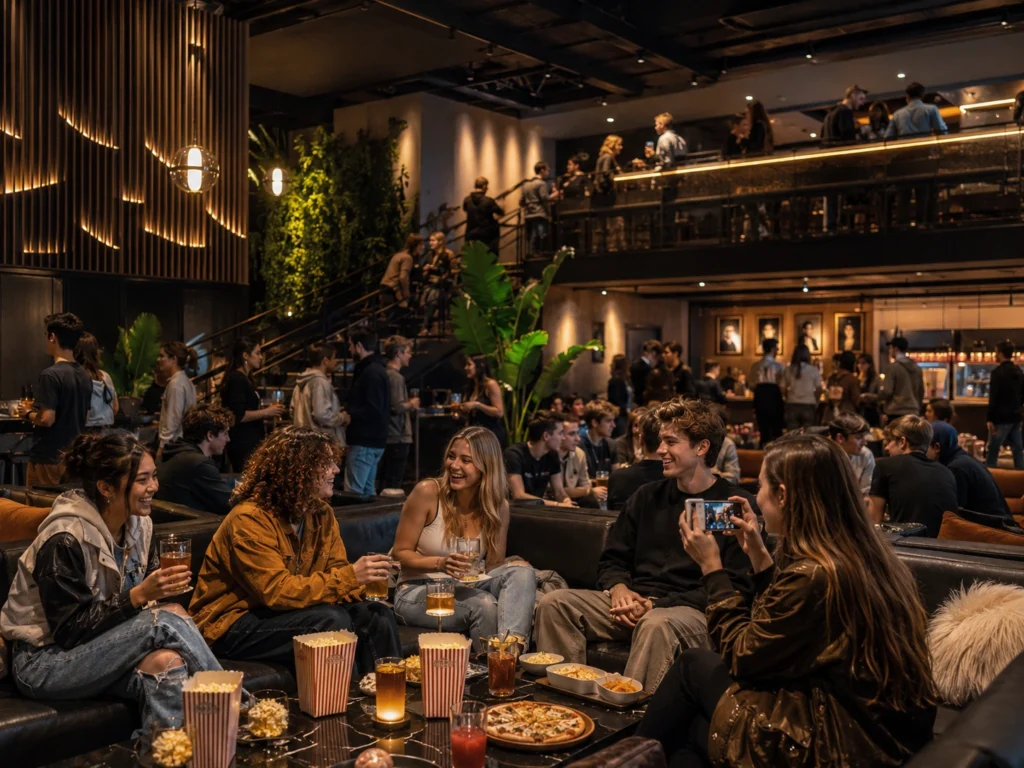
Younger audiences are actively looking for what historic cinemas already offer. A night at a historic cinema feels like a proper event, rather than another viewing choice on a long list of options.
Research shows younger audiences like millennials value shared, in-person experiences that create lasting memories and conversations. While streaming is convenient, it cannot recreate the atmosphere of watching a film alongside a full audience.
For many younger audiences, a visit to a historic cinema functions as a welcome escape from the ordinary. It is an experience tied to a specific place, moment, and community.
Independent Cinemas and the Pull of the Authentic
Genuine character has become a strong selling point as audiences grow tired of identical multiplex experiences. A theatre with genuine history will always have an edge over a venue built for volume.
The following table outlines some of the main differences between historic cinemas and modern multiplexes,
| Factor | Historic Cinema | Modern Multiplex |
| Atmosphere | Distinctive, full of character | Uniform, interchangeable |
| Programming | Curated, diverse, community-led | Blockbuster-focused |
| Community Feel | Strong, built over generations | Limited |
| Screen Experience | Intimate, often 35mm available | Large, digitally standardised |
| Heritage Value | Deep, locally rooted | None |
These differences help explain why historic cinemas continue to attract dedicated audiences. Their atmosphere, programming, and community connections create an experience that extends beyond the film itself.
Come and See for Yourself: Whiteladies Picture House Is Waiting
Some places earn their place in a community over time, and no amount of new competition changes that. We are one of those places. It has been proving that since the day it opened its doors.
Whiteladies Picture House has endured because it offers something that streaming services and multiplexes simply cannot copy. It has heritage, heart, and a genuine love for cinema built up over more than a hundred years. That combination does not come along very often.
Come and see for yourself. Check the programme, book your tickets, and bring someone who has never been. We think you will both leave wondering why it took you so long.
Related Posts
Why Some Films Are Best Watched in a Theatre
Some films are best watched in a theatre because the…
How Historic Theatres Build Community Without Trying
Nobody sets out to build a community. It just happens…
Hidden Gems: Underrated Films We Love on the Big Screen
Have you ever stumbled upon a film so captivating that…