Think about the last time a cinema audience laughed at exactly the same moment.
You didn’t know the people sitting around you. You probably never saw them again. Yet for those few seconds, everyone in the room was part of the same experience.
That’s something streaming can’t quite recreate. At home, you can pause the film, check your phone, grab a snack, or stop watching altogether. In a cinema, the room goes dark, the screen takes over, and hundreds of people follow the same story together.
And this shared experience isn’t new. People have been gathering in cinemas for generations, making movie-going part of local culture and everyday social life.
So, what’s kept that tradition going when almost any film can now be streamed at home? This guide explores cinema culture, the role of local screens in community life, and what makes the big-screen experience special.
Why Cinemas Still Create Shared Cultural Experiences
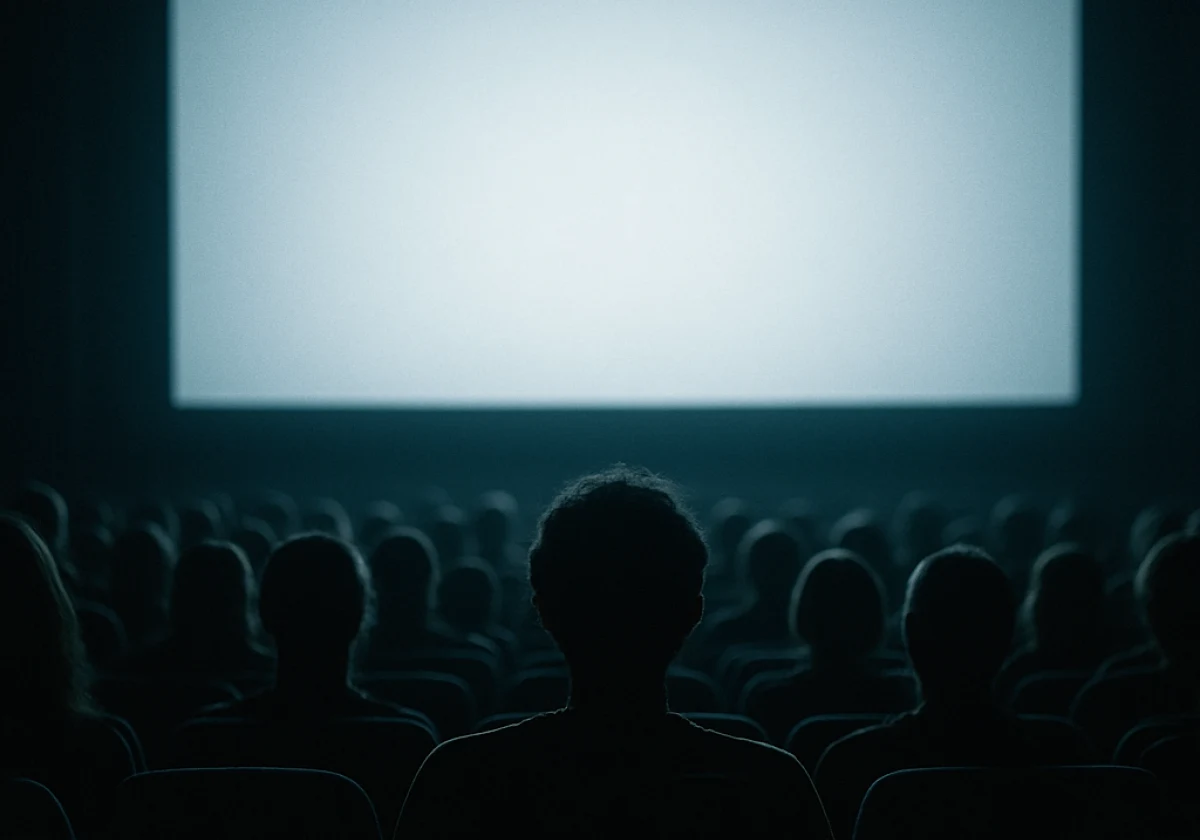
Cinemas still create shared cultural experiences because they give people something streaming can’t: a place to watch, react, and connect with others in real time.
That happens in several ways. A shared audience creates moments you can’t replicate at home, local cinemas give communities a place to gather, and the big screen makes the film itself feel like an event. Let’s explore them in detail.
A Shared Movie Experience You Cannot Stream at Home
A cinema audience experiences a film together. Everyone sees the same scene at the same moment, then laughs, gasps or falls silent together. Even a reaction from a stranger can become part of how you remember a film.
You don’t get quite the same thing at home. You can pause for the door, check your phone or make tea while the story carries on without you. In a cinema, the fixed start time and dark room keep everyone focused on the same story.
That shared attention creates a sense of occasion. You’re not simply watching a film. You’re experiencing it alongside a room full of people, and their reactions become part of the memory.
How a Local Cinema Anchors Its Community
A local cinema gives people a regular reason to leave the house and spend time in the same place. People from different backgrounds can end up in the same row, watching the same story.
The connection doesn’t end when the credits roll. The foyer, bar and pavement outside can become places where conversations about the film continue.
We’ve watched audiences in Bristol stay behind for twenty minutes after a Sunday matinee, arguing about an ending. Streaming can’t quite recreate that kind of spontaneous exchange.
How Do Film Festivals Keep Cinema Communities Connected?
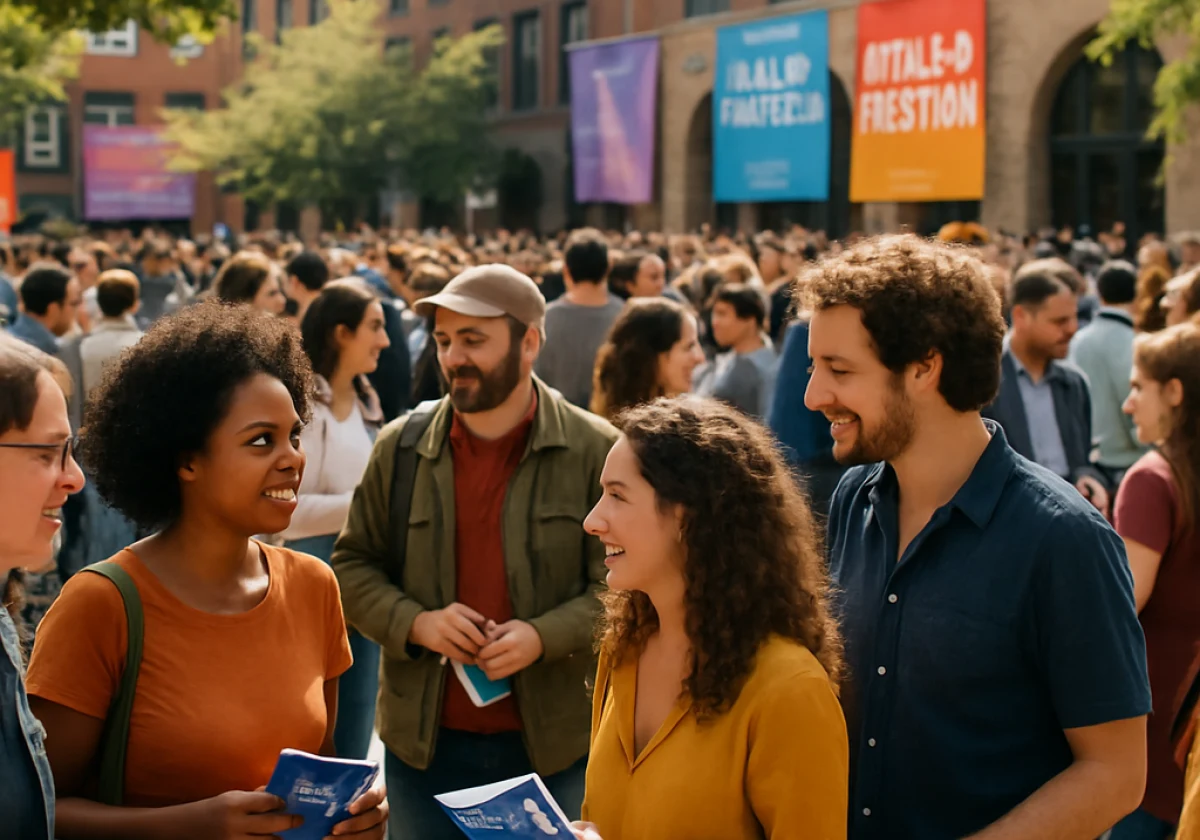
Film festivals keep cinema communities connected by giving people films to discover, places to meet and reasons to keep talking after the credits.
Four parts of the festival experience help create that connection:
- Shared Calendar Moments: Annual festivals give a community something to look forward to. The date goes on calendars, friends make plans, and the cinema becomes a meeting point for people who might not otherwise cross paths.
- New Voices on Screen: A festival might put a debut feature from another country beside a local short and an experimental film. That mix gives audiences a chance to encounter work outside their usual viewing habits.
- Talks After the Credits: The conversation doesn’t have to end when the lights come up. A director answering questions about a difficult scene or an actor explaining a character choice can keep the audience engaged long after the screening.
Taken together, these activities give cinema culture a rhythm beyond individual screenings. People have reasons to return, recognise familiar faces and become part of something that happens regularly in their area.
How Cinema Has Preserved Shared Experiences Across Generations
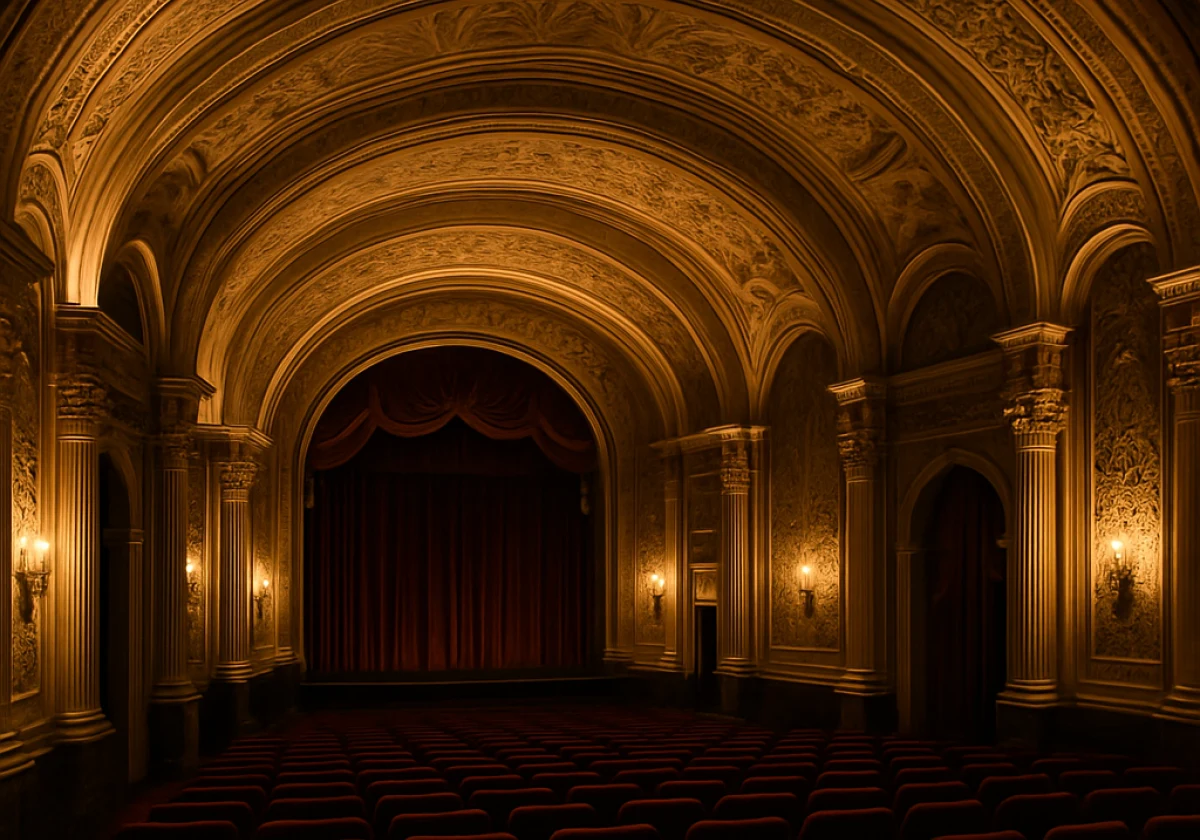
To understand why cinemas still hold a place in cultural life, it helps to look at what people have been doing there for generations. The buildings, technology and films have changed, but the habit of gathering around a shared story has proved harder to replace.
That history reveals how cinema became more than somewhere to watch a film. It became a regular part of how people spent time together, encountered new ideas and remembered particular moments in their communities.
Three moments help explain how that happened.
Picture Houses Made Going to the Movies a Social Occasion
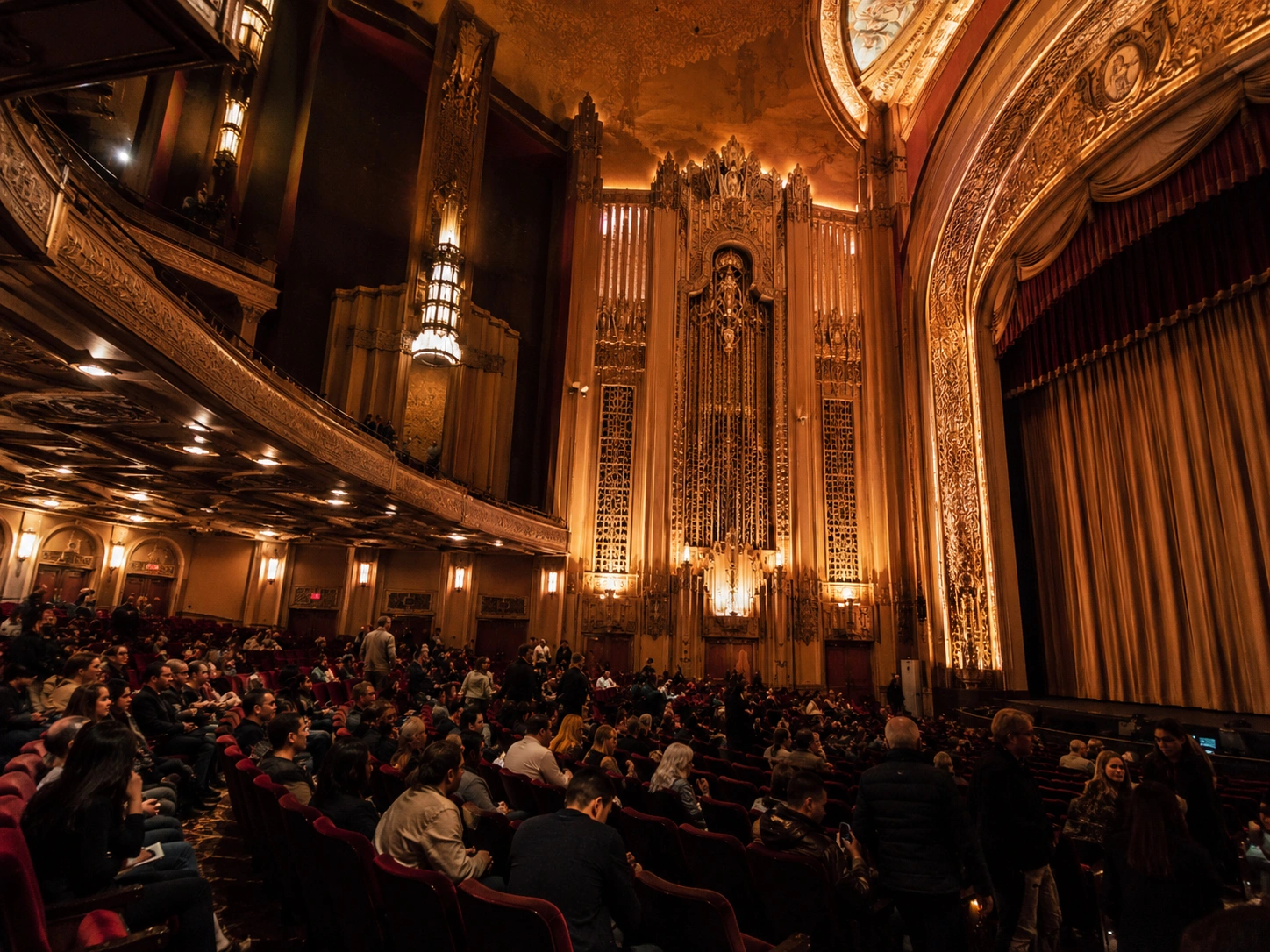
Going to the cinema used to be an occasion in itself. Britain’s picture houses had grand interiors, balconies, organs and hundreds of seats, which gave people a place to dress up, meet friends and spend an evening together.
By the 1930s, cinema-going was woven into everyday British life. The BFI’s archive of British cinema history shows the variety of venues that served those audiences, from elaborate picture palaces to smaller local cinemas.
The important part wasn’t the architecture alone. It was the habit those buildings created: choosing a film, showing up at a set time and sharing the experience with a room full of people.
Films Became Part of How Communities Saw Themselves
As cinema became part of everyday British life, the films on screen began reflecting the people sitting in the audience. Wartime pictures offered escapism and morale, while later British dramas brought working-class lives and social tensions into cinemas.
That gave audiences something familiar to recognise and something to talk about. A film could reflect a community’s concerns, challenge its assumptions or simply capture the mood of a particular period.
Those shared viewing experiences can become part of cultural memory. Years later, people don’t just remember the film itself. They remember what it said about the world around them and the conversations it sparked.
New Technology Changed Cinema Without Ending the Ritual
Television, video and streaming all made films easier to watch at home, but they didn’t eliminate the appeal of going to the cinema. Instead, cinemas had to give audiences reasons to leave the house and experience films collectively.
That has led to more varied programming, including restored classics, special screenings, filmmaker Q&As and live events. The technology keeps changing, but the underlying appeal remains familiar: sitting in a room with other people and sharing the same story at the same time.
Cinema’s history therefore isn’t just a story of changing screens and technology. It’s also the history of a social habit that has adapted without disappearing.
Keeping Cinema Culture Alive in a Streaming World
You can watch the same film at home, but you won’t necessarily experience it in the same way. A quick comparison shows where cinema and streaming differ, especially when it comes to attention, company and the way a film is presented.
| What You Get | Local Cinema | Streaming at Home |
|---|---|---|
| Attention | Fixed start time and no pause button | Pause, scroll or switch to another screen |
| Shared experience | Reactions happen around you in real time | Usually a more private viewing experience |
| Presentation | Large screen and sound designed for the room | Depends on your TV, speakers and viewing space |
| Programme | A selected schedule gives you a reason to choose a particular film | A huge library gives you almost unlimited choice |
Streaming wins on convenience. We would pick attention most weeks, and cinemas win on that every time.
Choosing the harder option some weeks is what keeps the habit alive, and the art repays the effort.
Make Your Next Night Out a Trip to the Local Cinema
Just because streaming has become the main way many people watch films doesn’t mean the cinema has lost its place. You can still meet someone, watch a film with a room full of people and share those reactions as they happen.
So, when you’re planning your next night out, book a seat and take someone with you. Put your phone away, settle in and let the film have your full attention.
And if you’re in Bristol and want to enjoy that experience for yourself, Whiteladies Picturehouse brings independent and mainstream films to local audiences. See what’s showing this week and choose your next night at the pictures.
Related Posts
How Historic Theatres Build Community Without Trying
Nobody sets out to build a community. It just happens…
Why Historic Cinemas Still Attract Modern Audiences
A historic cinema experience builds on atmosphere, heritage, and shared…
Hidden Gems: Underrated Films We Love on the Big Screen
Have you ever stumbled upon a film so captivating that…