Small independent cinemas continue to attract loyal audiences with carefully chosen films, characterful buildings and a strong sense of community. These qualities give people a reason to visit even when streaming is only a click away.
Large cinema chains often follow the same blockbuster schedule across the UK, so the experience can feel similar in different cities. Independent venues such as Whiteladies Picture House take a different approach by showing new releases alongside classics, world cinema and special events.
That variety shows that independent cinemas are more than a nostalgic choice. This guide covers what sets these venues apart, which London names draw the most loyal crowds, and how festivals build an audience. Let’s get into detail.
Independent Cinema Offers Something the Big Chains Cannot Match

Ask a regular at an independent cinema why they choose it over a multiplex, and the answer often comes down to three things: the films, the building and the people around them. Together, these details create an experience that large cinema chains do not always offer.
Three differences explain why these venues hold onto their audiences year after year.
Curated Film Programming, World Cinema and Independent Film
At an independent cinema, the programmer chooses each film by hand. One week might include a new Ken Loach drama alongside a Studio Ghibli matinee. That careful selection also gives world cinema more space.
Also, subtitled French New Wave classics, documentaries and short film showcases can all appear in the same week instead of being pushed into one quiet weekday slot.
The programme can then give first-time directors a chance to reach a cinema audience. In some cases, these smaller releases can even attract more viewers than a blockbuster showing nearby.
Art Deco Buildings and Grade II Listed Charm
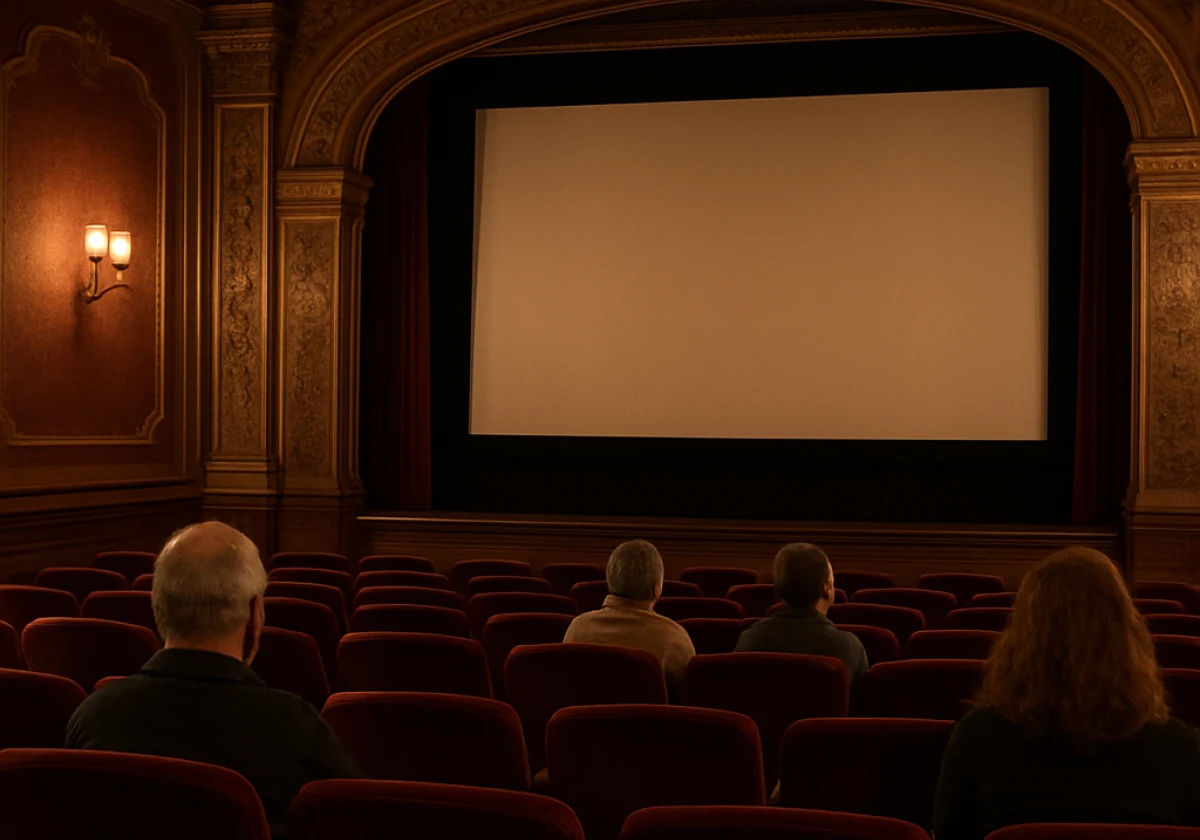
The building can change your cinema experience just as much as the film itself. Many of these venues opened in the 1930s, so you sit under original Art Deco plasterwork rather than in a grey box beside a car park.
Art Deco plasterwork and original timber details are often protected by listed status. That protection gives owners good reason to restore these features rather than strip them out to fit extra seats. The result is a venue rooted in its history, yet fully suited to modern audiences.
And these modern needs can be met without losing the building’s character. Many independent cinemas have upgraded their seating and projection while keeping features such as plasterwork and timber.
These original materials can also influence how sound travels through the room, which adds to the distinct feel of an older cinema. If you’re curious, ask the staff which seats they recommend for the best view and sound.
The Community Cinema Feel That Keeps People Coming Back
The cinema’s community feel comes from the people who keep it running. Staff often get to know regulars by name, while volunteers help with screenings and events because they care about the films and the local audience.
That familiarity can continue after the credits roll. Many independent cinemas host film club nights where people stay for a drink, share their views, and discuss the film they have just seen. These events give regulars another reason to return and help new visitors become part of the community.
Over time, those repeated visits can make the cinema feel like a familiar local meeting place rather than somewhere people visit only a few times a year.
Which Independent Cinema in London Draws the Most Loyal Film Audiences?
Now, a few London cinemas stand out for different reasons. Each earned its place with a different strength:
- Prince Charles Cinema Leicester Square: Cult classics are a big part of the appeal here, with sing-along screenings, movie marathons and special events adding plenty of personality to the programme.
- Electric Cinema Portobello: Step inside and the usual cinema seating is nowhere to be found. The historic venue has leather armchairs, sofas and front-row beds, while its long history and unusual programming give it a character of its own.
- Regent Street Cinema: Film history is the main draw here. The Lumière brothers presented their Cinématographe to a paying audience at the venue in 1896, and the cinema now combines that heritage with a cosy bar and independent programme.
- Rio Cinema Dalston: Its Grade II listed Art Deco design gives the Rio a distinctive setting, while its community focus keeps the programme varied. Festivals, classic screenings and accessible sessions all feature alongside regular films.
- Lexi Cinema: This Kensal Rise cinema puts its social mission at the centre of the experience. It donates 100% of its profits to charity and relies heavily on local volunteers, which gives regular film nights a strong community connection.
These five are only a starting point. Genesis Cinema in Mile End and Castle Cinema in Hackney both have loyal local audiences. ActOne Cinema in Acton and Close-Up Cinema in Shoreditch also attract regulars with their distinct programmes. Olympic Studios in Barnes has its own following, while BFI Southbank remains a popular choice for audiences looking for a wider range of films and special screenings.
With so much choice, the best cinema often depends on what you want from the night. A strong programme might bring you through the door first, but the setting, events and local atmosphere can be what keeps you coming back.
Film Festivals and Special Screenings: Cinema Trends That Build Dedicated Audiences
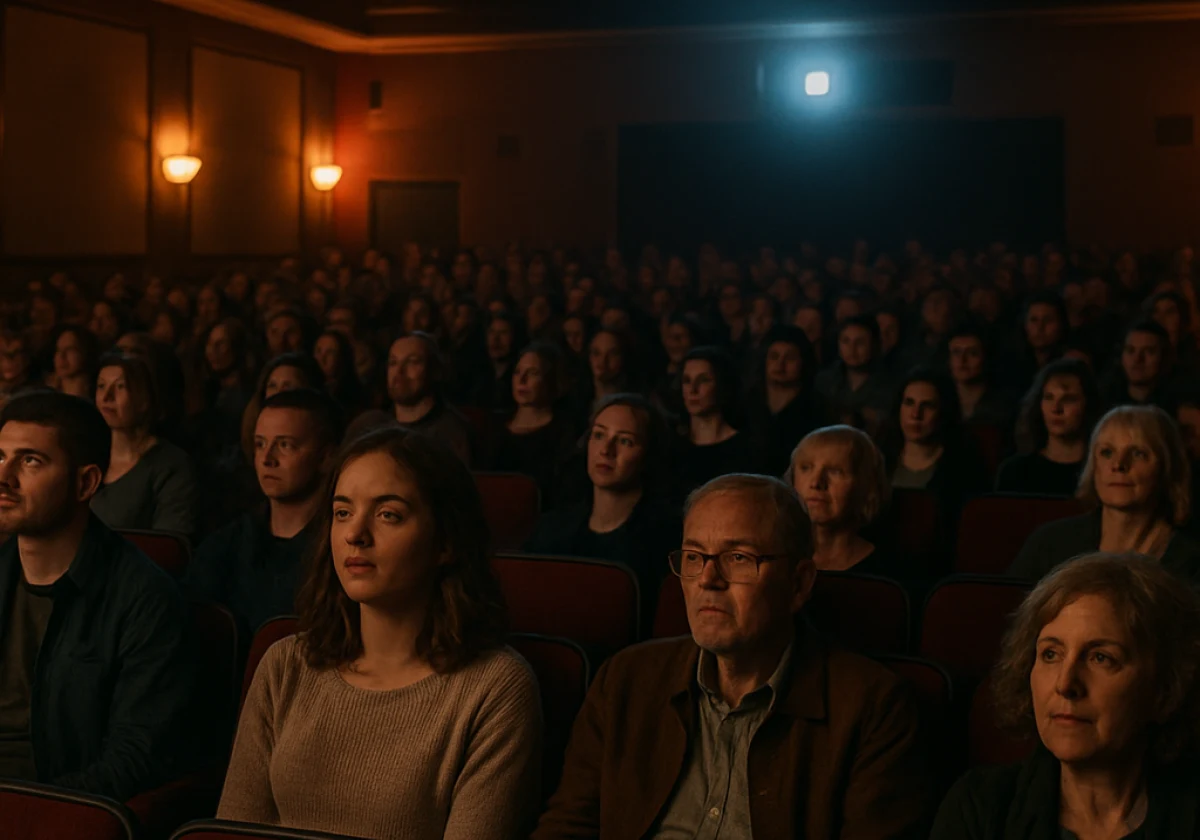
Beyond the weekly programme, local festivals give audiences a chance to find films they may never have streamed. More importantly, they bring people together in the same room, creating a shared experience that a streaming service cannot easily match.
That shared experience can encourage people to return for other events throughout the year. A horror weekend in October, for example, might be followed by a documentary season, a director Q&A or a live opera screening from abroad.
Special screenings bring the same variety to the regular programme. Sing-along nights, 35mm classics and parent-and-baby sessions each attract a different audience, and some of these events can sell out faster than new releases.
As people find events they enjoy, they can become regular visitors rather than one-time guests. A well-received shorts night, for instance, can encourage the same audience to book several upcoming screenings without needing much promotion.
Staying informed is simple if you want to catch these events. Cinema newsletters often announce festivals and special screenings before general ticket sales open, and members may get early access to the best seats.
Comparing a Local Movie Theatre with a Multiplex Chain
Now you know what draws film audiences in. Here is how the two experiences stack up, and screen size is not where the gap opens.
| Feature | Independent cinema | Multiplex chain |
|---|---|---|
| Programming | New releases, world cinema, classics | Mostly blockbusters |
| Ticket prices | Often cheaper, member discounts | Higher, premium add-ons |
| Venue | Historic, boutique cinema spaces | Standard rooms |
| Events | Q&As, film club nights, festivals | Limited special screenings |
These differences influence the overall cinema experience. Multiplexes focus on popular releases and larger audiences, while independent cinemas give more space to different films and local events. That also makes them a strong choice for viewers who want affordable tickets and an arthouse cinema programme (with the coffee being a nice bonus).
Find Your Seat at a Local Independent Cinema
Film audiences keep coming back because a good cinema offers more than a screen. The programme, the building and the shared experience give people a reason to leave the sofa. Streaming cannot quite match that.
So, check what is showing near you this week and bring someone who has never watched a subtitled classic. One great screening can easily lead to another.
Ready to book your next film night? Reach Whiteladies Pictures House for a programme that runs from new releases to cult classics on a restored Bristol screen.
Related Posts
The Role of Cinemas in Preserving Shared Cultural Experiences
Think about the last time a cinema audience laughed at…
Behind the Scenes: What Makes a Cinema Visit Memorable
A cinema visit stays with you when the screen, the…
The Hidden Work That Keeps Old Cinemas Alive
You've probably watched a film in a beautiful old cinema…